
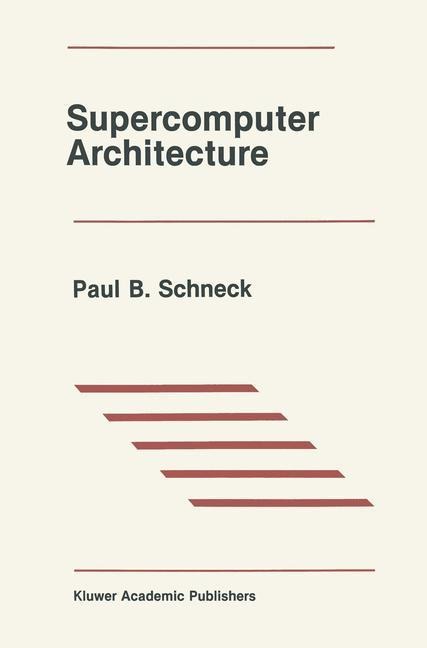
Supercomputer Architecture - Paul B. Schneck
-25% su kodu BOOKS
Pristatymas per 12-18 d.d.
30 dienų grąžinimo politika
Supercomputers are the largest and fastest computers available at any point in time. The term was used for the first time in the New York World, March 1920, to describe "new statistical machines with the mental power of 100 skilled mathematicians in solving even highly complex algebraic problems. " Invented by Mendenhall and Warren, these machines were used at Columbia University'S Statistical Bureau. Recen ... Visas aprašymas
Jums taip pat gali patikti
 TOP
TOP

Gödel, Escher, Bach: An Eternal Golden Braid
-25% su kodu BOOKS
Turime sandėlyje pas mūsų tiekėją
 TOP
TOP

If Anyone Builds It, Everyone Dies: Why Superhuman AI Would Kill Us All
Eliezer Yudkowsky, Nate Soares
-25% su kodu BOOKS
Turime sandėlyje pas mūsų tiekėją
TOP
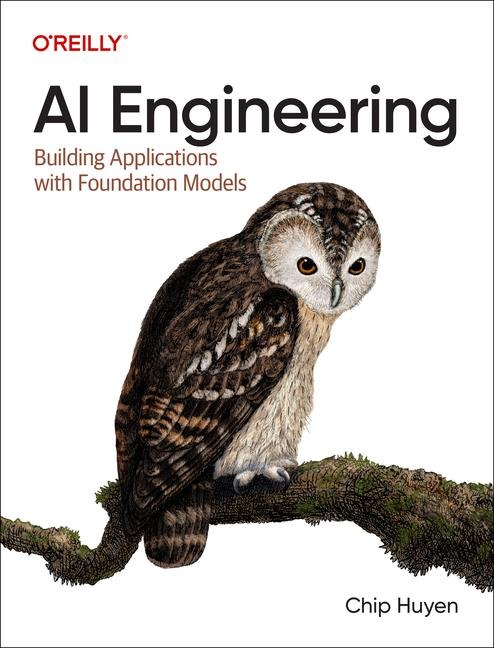
AI Engineering: Building Applications with Foundation Models
-25% su kodu BOOKS
Turime sandėlyje pas mūsų tiekėją
TOP
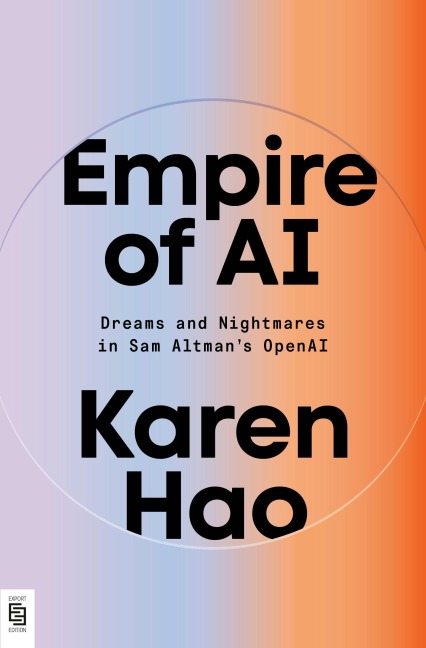
Empire of AI: Dreams and Nightmares in Sam Altman's OpenAI
-25% su kodu BOOKS
Turime sandėlyje pas mūsų tiekėją
TOP


The Rust Programming Language
Steve Klabnik, Carol Nichols, Chris Krycho
-25% su kodu BOOKS
Turime sandėlyje pas mūsų tiekėją
TOP
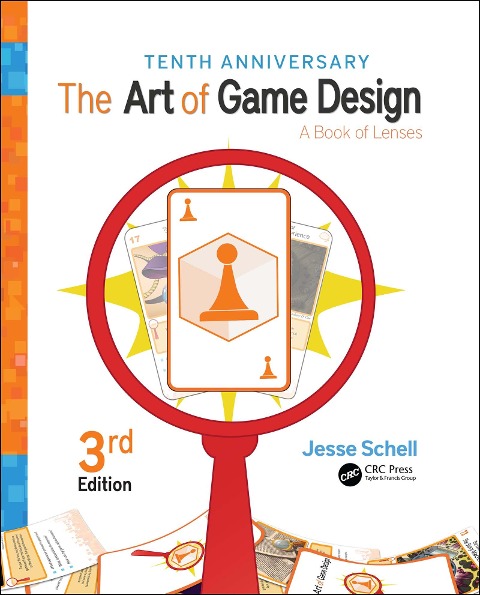
The Art of Game Design: A Book of Lenses
-25% su kodu BOOKS
Turime sandėlyje pas mūsų tiekėją
TOP
How To Think About AI: A Guide For The Perplexed
-25% su kodu BOOKS
Turime sandėlyje pas mūsų tiekėją
TOP
The Pragmatic Programmer: journey to mastery, 20th Anniversary Edition, 2/e: your journey to mastery, 20th Anniversary Edition
-25% su kodu BOOKS
Turime sandėlyje pas mūsų tiekėją
TOP
HBR Guide to Generative AI for Managers
-25% su kodu BOOKS
Turime sandėlyje pas mūsų tiekėją
TOP
The Web Application Hacker's Handbook: Discovering and Exploiting Security Flaws
-25% su kodu BOOKS
Turime sandėlyje pas mūsų tiekėją
TOP

How Linux Works: What Every Superuser Should Know
-25% su kodu BOOKS
Turime sandėlyje pas mūsų tiekėją
TOP
Artificial Intelligence: A Modern Approach, Global Edition
-25% su kodu BOOKS
Turime sandėlyje pas mūsų tiekėją
TOP
Python Crash Course: A Hands-On, Project-Based Introduction to Programming
-25% su kodu BOOKS
Turime sandėlyje pas mūsų tiekėją
TOP

CompTIA Security+ Certification Kit: Exam SY0-701
-25% su kodu BOOKS
Turime sandėlyje pas mūsų tiekėją
TOP
Fundamentals of Software Architecture: A Modern Engineering Approach
-25% su kodu BOOKS
Turime sandėlyje pas mūsų tiekėją
TOP
Speak Data: Artists, Scientists, Thinkers, and Dreamers on How We Live Our Lives in Numbers
-25% su kodu BOOKS
Turime sandėlyje pas mūsų tiekėją
TOP
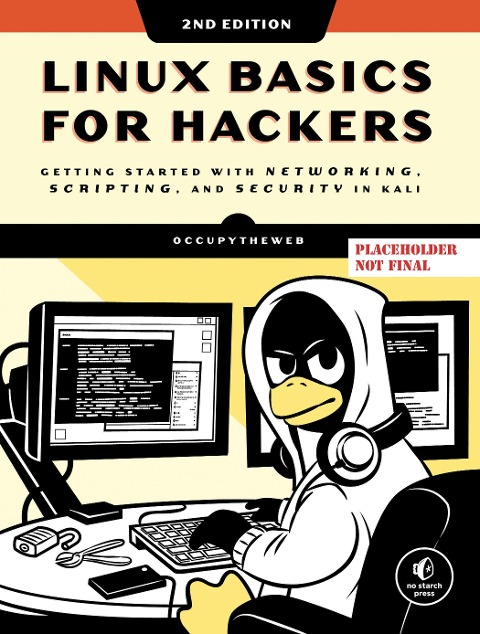
Linux Basics for Hackers, 2nd Edition: Getting Started with Networking, Scripting, and Security in Kali
-25% su kodu BOOKS
Turime sandėlyje pas mūsų tiekėją
TOP
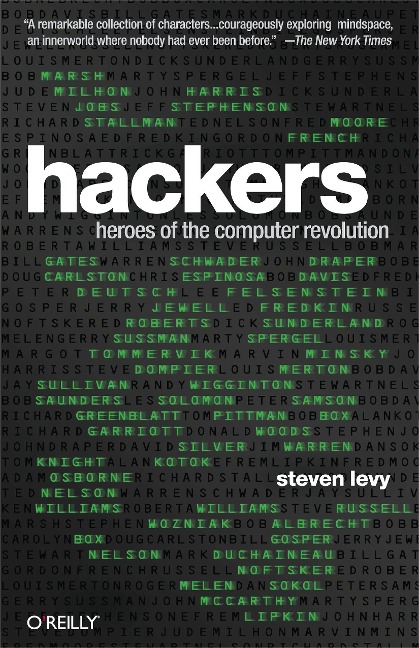
Hackers. 25th Anniversary Edition: Heroes of the Computer Revolution
-25% su kodu BOOKS
Turime sandėlyje pas mūsų tiekėją
TOP

Proofs from THE BOOK
Martin Aigner, Günter M. Ziegler
-25% su kodu BOOKS
Turime sandėlyje pas mūsų tiekėją
Aprašymas
Supercomputers are the largest and fastest computers available at any point in time. The term was used for the first time in the New York World, March 1920, to describe "new statistical machines with the mental power of 100 skilled mathematicians in solving even highly complex algebraic problems. " Invented by Mendenhall and Warren, these machines were used at Columbia University'S Statistical Bureau. Recently, supercomputers have been used primarily to solve large-scale prob lems in science and engineering. Solutions of systems of partial differential equa tions, such as those found in nuclear physics, meteorology, and computational fluid dynamics, account for the majority of supercomputer use today. The early computers, such as EDVAC, SSEC, 701, and UNIVAC, demonstrated the feasibility of building fast electronic computing machines which could become commercial products. The next generation of computers focused on attaining the highest possible computational speeds. This book discusses the architectural approaches used to yield significantly higher computing speeds while preserving the conventional, von Neumann, machine organization (Chapters 2-4). Subsequent improvements depended on developing a new generation of computers employing a new model of computation: single-instruction multiple data (SIMD) processors (Chapters 5-7). Later machines refmed SIMD architec ture and technology (Chapters 8-9). SUPERCOMPUTER ARCHITECI'URE CHAPTER! INTRODUCTION THREE ERAS OF SUPERCOMPUTERS Supercomputers -- the largest and fastest computers available at any point in time -- have been the products of complex interplay among technological, architectural, and algorithmic developments.
Daugiau informacijos
| Autorius | Paul B. Schneck |
|---|---|
| Leidėjas | Springer New York |
| Series | The Springer International Series in Engineering and Computer Science |
| Išleidimo metai | 2012 |
| Viršelio tipas | Minkšti viršeliai |
| EAN | 9781461579595 |