
Semantic Interoperability Issues, Solutions, Challenges -

-25% su kodu BOOKS
Pristatymas per 22-28 d.d.
30 dienų grąžinimo politika
Semantic technologies are experimenting an increasing popularity in the context of different domains and applications. The understanding of any class of system can be significantly changed under the assumption any system is part of a global ecosystem known as Semantic Web. The Semantic Web would be an evolving extension of current Web model (normally referred as Syntactic Web) that introduces a semantic lay ... Visas aprašymas
Jums taip pat gali patikti
 TOP
TOP

The Art of Electronics
-25% su kodu BOOKS
Turime sandėlyje pas mūsų tiekėją
TOP

The Design of Everyday Things
-25% su kodu BOOKS
Turime sandėlyje pas mūsų tiekėją
TOP
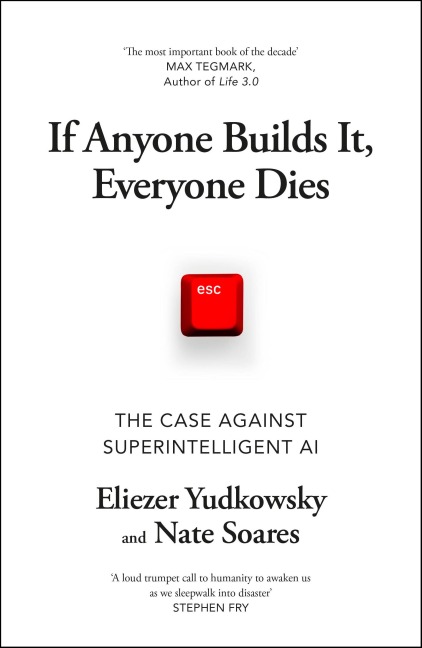
If Anyone Builds It, Everyone Dies: The Case Against Superintelligent AI
Eliezer Yudkowsky, Nate Soares
-25% su kodu BOOKS
Turime sandėlyje pas mūsų tiekėją
TOP
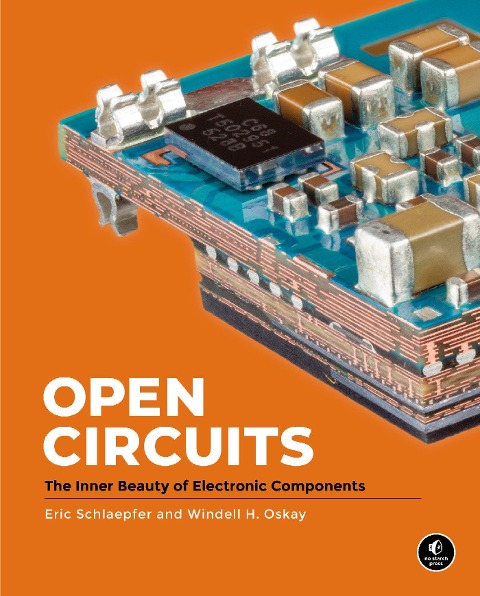
Open Circuits: The Inner Beauty of Electronic Components
Eric Schlaepfer, Windell Oskay
-25% su kodu BOOKS
Turime sandėlyje pas mūsų tiekėją
TOP
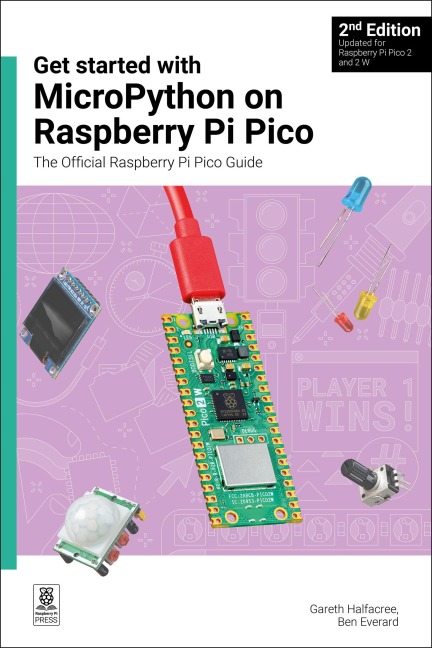
Get started with MicroPython on Raspberry Pi Pico: The Official Raspberry Pi Pico Guide
-25% su kodu BOOKS
Turime sandėlyje pas mūsų tiekėją
TOP

Practical Electronics for Inventors
-25% su kodu BOOKS
Turime sandėlyje pas mūsų tiekėją
TOP

Nucleo Boards Programming with the STM32CubeIDE: Hands-on in more than 50 projects
-25% su kodu BOOKS
Turime sandėlyje pas mūsų tiekėją
TOP

Data-Driven Science and Engineering: Machine Learning, Dynamical Systems, and Control
Steven L. Brunton, J. Nathan Kutz
-25% su kodu BOOKS
Turime sandėlyje pas mūsų tiekėją
TOP

Fundamentals of Aerodynamics ISE
Christopher Cadou, John D. Anderson
-25% su kodu BOOKS
Turime sandėlyje pas mūsų tiekėją
TOP

Black Holes: The Key to Understanding the Universe
-25% su kodu BOOKS
Turime sandėlyje pas mūsų tiekėją
TOP
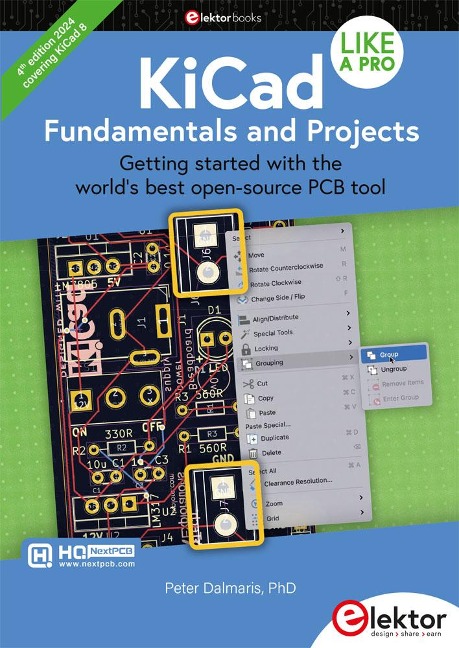
KiCad Like A Pro - Fundamentals and Projects: Getting started with the world's best open-source PCB tool
-25% su kodu BOOKS
Turime sandėlyje pas mūsų tiekėją
TOP

Foundations of Flavor: The Noma Guide to Fermentation: Including Step-By-Step Information on Making and Cooking with: Koji, Kombuchas, Shoyus, Misos, Vinegars, Garums, Lacto-Ferments and black Fruits Vegetables
-25% su kodu BOOKS
Turime sandėlyje pas mūsų tiekėją
TOP

Make: Electronics: Learning by Discovery: A hands-on primer for the new electronics enthusiast
-25% su kodu BOOKS
Turime sandėlyje pas mūsų tiekėją
TOP

Arduino UNO Q and AI: Learn to Build Intelligent Embedded Systems
-25% su kodu BOOKS
Turime sandėlyje pas mūsų tiekėją
TOP
The Idea Factory: Bell Labs and the Great Age of American Innovation
-25% su kodu BOOKS
Turime sandėlyje pas mūsų tiekėją
TOP

Flowers For Algernon: A Modern Literary Classic
-25% su kodu BOOKS
Turime sandėlyje pas mūsų tiekėją
TOP

Professional SMD Assembly: Practical Low-Cost Methods for Reliable PCB Production
-25% su kodu BOOKS
Turime sandėlyje pas mūsų tiekėją
TOP

Blood in the Machine: The Origins of the Rebellion Against Big Tech
-25% su kodu BOOKS
Turime sandėlyje pas mūsų tiekėją
TOP

Mastering the Arduino Uno R4: Programming and Projects for the Minima and WiFi
-25% su kodu BOOKS
Turime sandėlyje pas mūsų tiekėją
TOP

Collection of Exercises for PLC Programming: 100 programming exercises from beginner to expert level
-25% su kodu BOOKS
Turime sandėlyje pas mūsų tiekėją
Aprašymas
Semantic technologies are experimenting an increasing popularity in the context of different domains and applications. The understanding of any class of system can be significantly changed under the assumption any system is part of a global ecosystem known as Semantic Web. The Semantic Web would be an evolving extension of current Web model (normally referred as Syntactic Web) that introduces a semantic layer in which semantics, or meaning of information, are formally defined. So, semantics should integrate web-centric standard information infrastructures improving several aspects of interaction among heterogeneous systems. This is because common interoperability models are progressively becoming obsolete if compared with the intrinsic complexity and always more distributed focus that feature modern systems. For example, the basic interoperability model, that assumes the interchange of messages among systems without any interpretation, is simple but effective only in the context of close environments. Also more advanced models, such as the functional interoperability model that integrates basic interoperability model with the ability of intepretating data context under the assumption of a shared schema for data fields accessing, appears not able to provide a full sustainable technologic support for open systems. The Semantic Interoperability model would improve common interoperability models introducing the interpretation of means of data. Semantic interoperability is a concretely applicable interaction model under the assumption of adopting rich data models (commonly called Ontology) composed of concepts within a domain and the relationships among those concepts. In practice, semantic technologies are partially inverting the common view at actor intelligence: intelligence is not implemented (only) by actors but it is implicitly resident in the knowledge model. In other words, schemas contain information and the "code" to interpretate it.
Daugiau informacijos
| Leidėjas | River Publishers |
|---|---|
| Išleidimo metai | 2012 |
| Viršelio tipas | Kieti viršeliai |
| EAN | 9788792329790 |