
Polyamine Protocols -
-25% su kodu BOOKS
Pristatymas per 12-18 d.d.
30 dienų grąžinimo politika
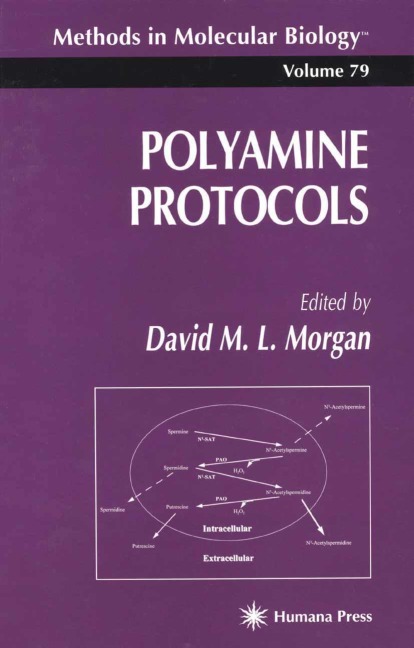
Putrescine and spermidine are ubiquitous in living organisms. Spermine, third of the three most commonly occurring natural polyamines, is probably present in all eukaryotes but is rare (or nonexistent) in prokaryotes. Polyamine residues are constituents of many compounds found in plants and insects. Putrescine, spermidine, or spermine-containing alkaloids are found in many plants, nonproteinaceous spider an ... Visas aprašymas
Jums taip pat gali patikti
 TOP
TOP
Biology: A Global Approach, Global Edition
Neil Campbell, Rebecca Orr, Lisa Urry, Peter Minorsky, Michael Cain, Jane Reece, Steven Wasserman
-25% su kodu BOOKS
Turime sandėlyje pas mūsų tiekėją
TOP

Six Not-so-easy Pieces: Einstein's Relativity, Symmetry, and Space-Time
Richard P. Feynman, Robert B. Leighton, Matthew Sands
-25% su kodu BOOKS
Turime sandėlyje pas mūsų tiekėją
TOP

Six Easy Pieces: Essentials of Physics Explained by Its Most Brilliant Teacher
Richard P. Feynman, Robert B. Leighton, Matthew Sands
-25% su kodu BOOKS
Turime sandėlyje pas mūsų tiekėją
TOP
Behave: The Biology of Humans at Our Best and Worst
-25% su kodu BOOKS
Turime sandėlyje pas mūsų tiekėją
TOP

Determined: The Science of Life Without Free Will
-25% su kodu BOOKS
Turime sandėlyje pas mūsų tiekėją
TOP
Why Machines Learn: The Elegant Maths Behind Modern AI
-25% su kodu BOOKS
Turime sandėlyje pas mūsų tiekėją
 TOP
TOP

The Age of Alchemy: How Early Innovators Shaped Modern Chemistry
-25% su kodu BOOKS
Turime sandėlyje pas mūsų tiekėją
TOP
The Secrets of our DNA: How Genetics has Changed the World
-25% su kodu BOOKS
Turime sandėlyje pas mūsų tiekėją
TOP

Janeway's Immunobiology
Leslie J. Berg, Kenneth Murphy, Casey Weaver
-25% su kodu BOOKS
Turime sandėlyje pas mūsų tiekėją
TOP
Why We Sleep: Unlocking the Power of Sleep and Dreams
-25% su kodu BOOKS
Yra sandėlyje
TOP
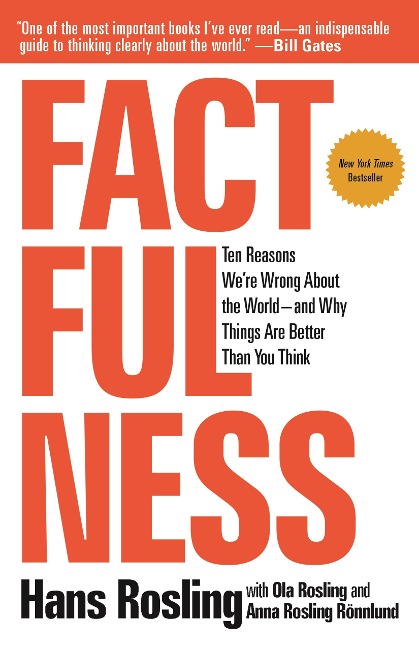
Factfulness: Ten Reasons We're Wrong About the World--and Why Things Are Better Than You Think
Ola Rosling, Anna Rosling Rönnlund, Hans Rosling
-25% su kodu BOOKS
Turime sandėlyje pas mūsų tiekėją
TOP
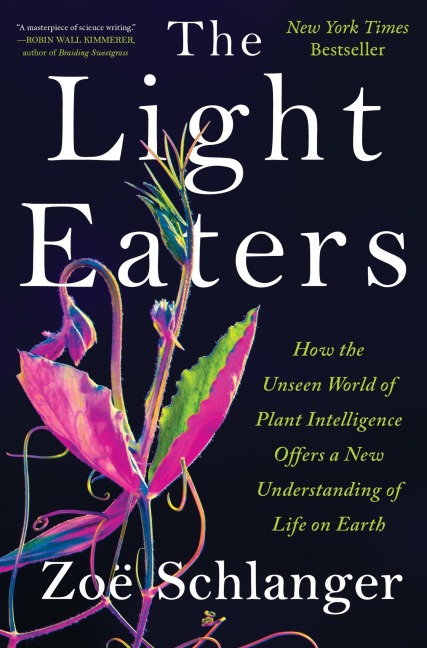
The Light Eaters: How the Unseen World of Plant Intelligence Offers a New Understanding of Life on Earth
-25% su kodu BOOKS
Turime sandėlyje pas mūsų tiekėją
TOP
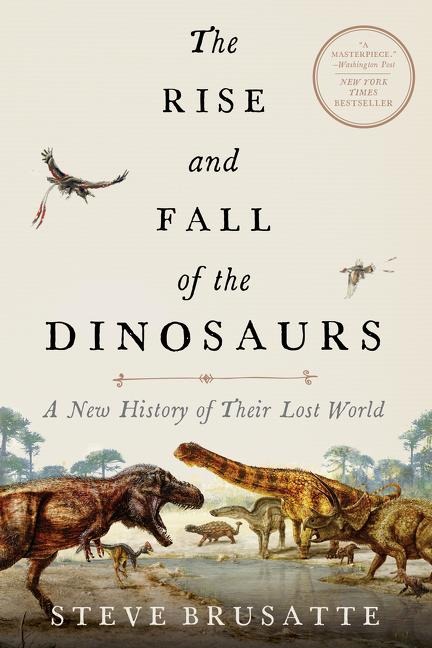
The Rise and Fall of the Dinosaurs: A New History of a Lost World
-25% su kodu BOOKS
Turime sandėlyje pas mūsų tiekėją
TOP
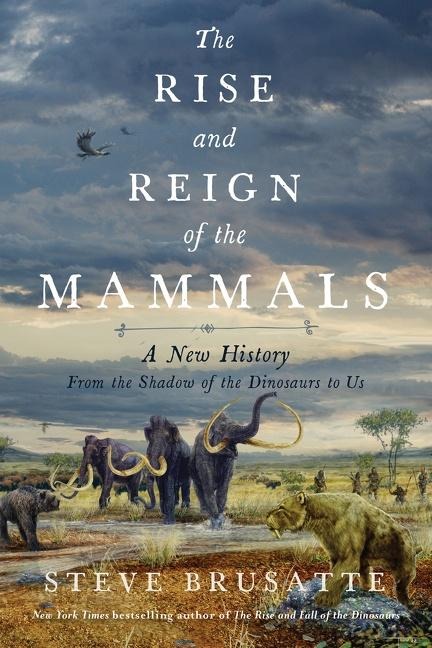
The Rise and Reign of the Mammals: A New History, from the Shadow of the Dinosaurs to Us
-25% su kodu BOOKS
Turime sandėlyje pas mūsų tiekėją
TOP
Learn Faster, Perform Better: A Musician's Guide to the Neuroscience of Practicing
-25% su kodu BOOKS
Turime sandėlyje pas mūsų tiekėją
TOP

Beyond Inheritance: Our Ever-Mutating Cells and a New Understanding of Health
-25% su kodu BOOKS
Turime sandėlyje pas mūsų tiekėją
TOP
On the Origin of Species
-25% su kodu BOOKS
Turime sandėlyje pas mūsų tiekėją
TOP

The Feynman Lectures on Physics. The New Millennium Edition
Matthew Sands, Robert Leighton, Richard Feynman
-25% su kodu BOOKS
Turime sandėlyje pas mūsų tiekėją
TOP

How to Solve it: A New Aspect of Mathematical Method
-25% su kodu BOOKS
Turime sandėlyje pas mūsų tiekėją
Aprašymas
Putrescine and spermidine are ubiquitous in living organisms. Spermine, third of the three most commonly occurring natural polyamines, is probably present in all eukaryotes but is rare (or nonexistent) in prokaryotes. Polyamine residues are constituents of many compounds found in plants and insects. Putrescine, spermidine, or spermine-containing alkaloids are found in many plants, nonproteinaceous spider and wasp toxins contain polyamine residues, and glutathionyl¿spermidine conjugates have been found in some pathogenic microorganisms. In most cells polyamines are the products of a highly regulated bios- thetic pathway. It is not clear whether the elaborate regulation of polyamine synthesis is a consequence of their essential role(s) in cellular differentiation and development, or part of a defense mechanism to prevent overaccumulation of compounds that are toxic in excess. In addition to their biosynthetic capa bility, many cells also possess transport systems for polyamines that respond to intracellular polyamine levels, and other stimuli, and are regulated by mecha nisms that are at present incompletely defined. Two routes of polyamine catabolism have been identified in mammalian cells, a biodegradative route and a recycling pathway. The relative impor tance of these pathways and their overall regulation is only partially resolved. What is clear is the widespread occurrence of a variety of polyamine-oxid- ing enzymes in animals, plants, bacteria, and fungi. Polyamine catabolism, by whichever route, results in the formation of aminoaldehydes as intermediates.
Daugiau informacijos
| Leidėjas | Humana Press |
|---|---|
| Series | Methods in Molecular Biology |
| Išleidimo metai | 2010 |
| Viršelio tipas | Minkšti viršeliai |
| EAN | 9781617370427 |