
Pairs Trading A Bayesian Example - J Richard Hollos,Stefan Hollos

-35% su kodu BOOKS
Pristatymas per 10-16 d.d.
30 dienų grąžinimo politika
Have you ever wondered whether Bayesian analysis can be applied toward the stock market? We did, and set out to investigate. This book shows you how to find relationships between stocks or exchange traded funds (ETFs) using Bayesian analysis. A relationship that most traders are probably familiar with is linear correlation. This is sometimes used as the basis for pairs trading. But linear correlation is jus ... Visas aprašymas
Jums taip pat gali patikti

 TOP
TOP

Unreasonable Hospitality: The Remarkable Power of Giving People More Than They Expect
-35% su kodu BOOKS
Turime sandėlyje pas mūsų tiekėją
TOP

Thinking, Fast and Slow
-35% su kodu BOOKS
Turime sandėlyje pas mūsų tiekėją
TOP

Never Split the Difference: Negotiating as if Your Life Depended on It
-35% su kodu BOOKS
Yra sandėlyje
TOP
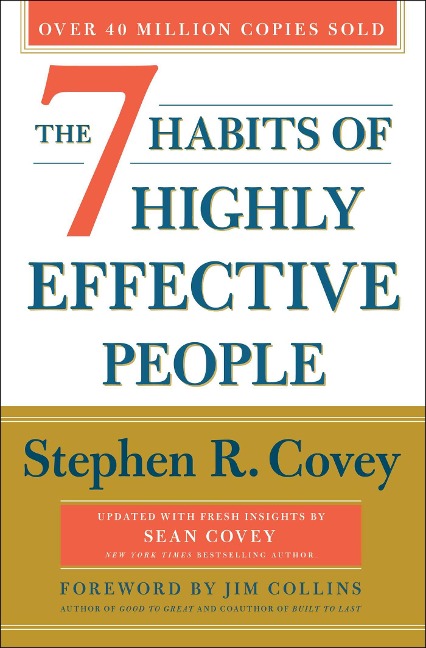
The 7 Habits of Highly Effective People. 30th Anniversary Edition: Powerful Lessons in Personal Change
Jim Collins, Sean Covey, Stephen R. Covey
-35% su kodu BOOKS
Yra sandėlyje
TOP

Atomic Habits: An Easy & Proven Way to Build Good Habits & Break Bad Ones
-35% su kodu BOOKS
Turime sandėlyje pas mūsų tiekėją
TOP

Radical Candor: Be a Kick-Ass Boss Without Losing Your Humanity
-35% su kodu BOOKS
Turime sandėlyje pas mūsų tiekėją
TOP

Why Nations Fail: The Origins of Power, Prosperity and Poverty
Daron Acemoglu, James A. Robinson
-35% su kodu BOOKS
Turime sandėlyje pas mūsų tiekėją
TOP

Legacy: What The All Blacks Can Teach Us About The Business Of Life
-35% su kodu BOOKS
Turime sandėlyje pas mūsų tiekėją
TOP
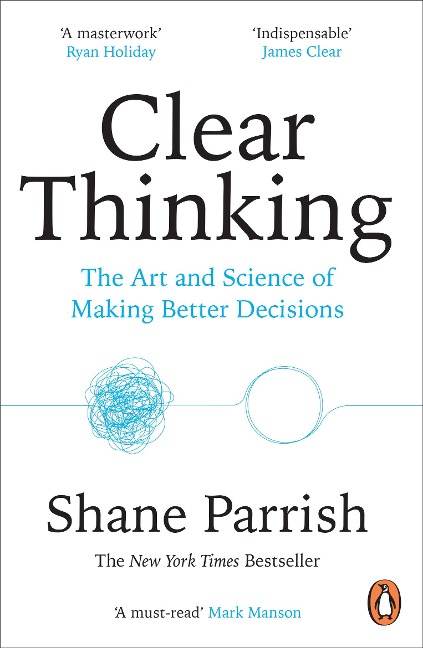
Clear Thinking: The Art and Science of Making Better Decisions
-35% su kodu BOOKS
Turime sandėlyje pas mūsų tiekėją
TOP

Vienna: How the City of Ideas Created the Modern World
-35% su kodu BOOKS
Turime sandėlyje pas mūsų tiekėją
TOP

High Output Management
-35% su kodu BOOKS
Turime sandėlyje pas mūsų tiekėją
TOP


The Infinity Machine: Demis Hassabis, DeepMind, and the Quest for Superintelligence
-35% su kodu BOOKS
Turime sandėlyje pas mūsų tiekėją
TOP

1873: The Rothschilds, the First Great Depression, and the Making of the Modern World
-35% su kodu BOOKS
Turime sandėlyje pas mūsų tiekėją
TOP
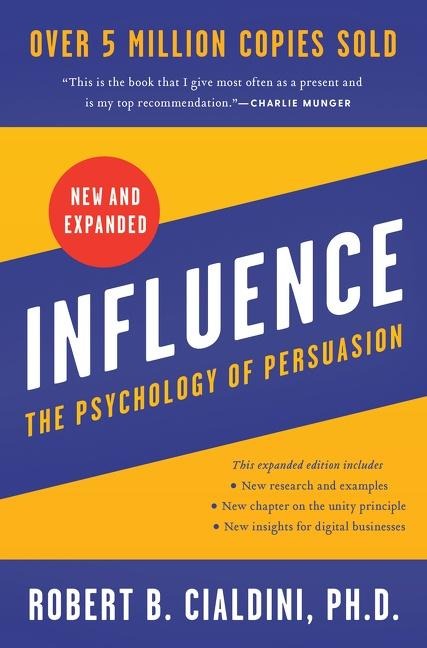
Influence: The Psychology of Persuasion
-35% su kodu BOOKS
Turime sandėlyje pas mūsų tiekėją
TOP

Co-Intelligence: Living and Working with AI
-35% su kodu BOOKS
Turime sandėlyje pas mūsų tiekėją
TOP
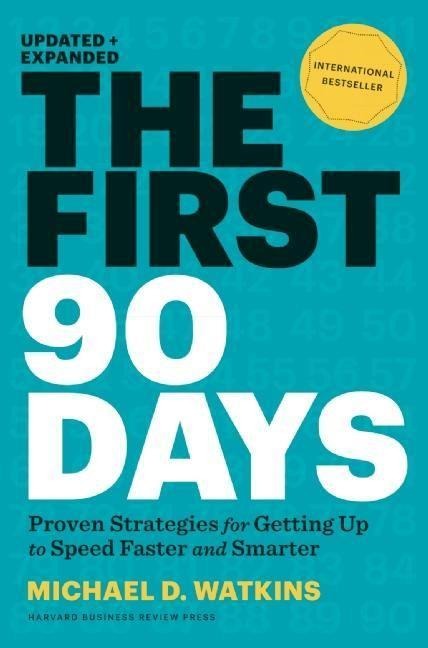
The First 90 Days: Proven Straegies for Getting up to Speed faster and smarter
-35% su kodu BOOKS
Turime sandėlyje pas mūsų tiekėją
TOP

Surrounded by Idiots Revised & Expanded Edition: The Four Types of Human Behavior and How to Effectively Communicate with Each in Business (and in Life)
-35% su kodu BOOKS
Turime sandėlyje pas mūsų tiekėją
TOP

Berkshire Hathaway Letters to Shareholders: 1965-2024
-35% su kodu BOOKS
Turime sandėlyje pas mūsų tiekėją
TOP

One Up On Wall Street: How To Use What You Already Know To Make Money in the Market
-35% su kodu BOOKS
Turime sandėlyje pas mūsų tiekėją
Aprašymas
Daugiau informacijos
| Autorius | J Richard Hollos, Stefan Hollos |
|---|---|
| Leidėjas | Amazon Digital Services LLC - Kdp |
| Išleidimo metai | 2012 |
| Viršelio tipas | Minkšti viršeliai |
| EAN | 9781887187152 |