
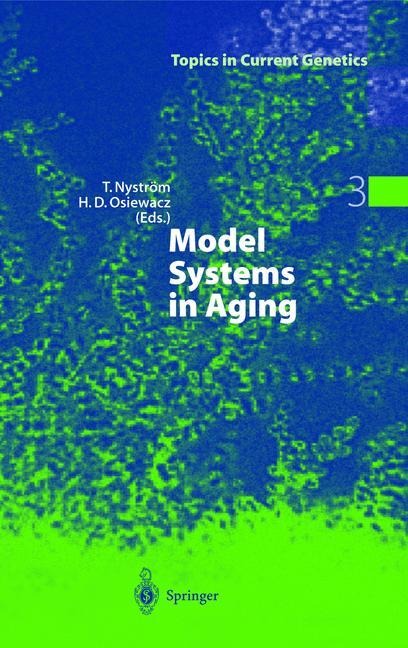
Model Systems in Aging -
-35% su kodu BOOKS
Pristatymas per 12-18 d.d.
30 dienų grąžinimo politika
Aging is the progressive decline in biological functions over time. This decline targets macromolecules, cells, tissues and, as a consequence, whole organisms. Despite considerable progress in the development of testable hypothesis concerning aging in an evolutionary context, a unifying theory of the molecular/physiological mechanistic causes of aging has not been reached. In fact, is it not clear to what e ... Visas aprašymas
Jums taip pat gali patikti
 TOP
TOP
The Body Keeps the Score: Brain, Mind, and Body in the Healing of Trauma
-35% su kodu BOOKS
Turime sandėlyje pas mūsų tiekėją
TOP
No Bad Parts: Healing Trauma and Restoring Wholeness with the Internal Family Systems Model
-35% su kodu BOOKS
Turime sandėlyje pas mūsų tiekėją
TOP

Maybe You Should Talk to Someone: a therapist, her thearapist, and our lives revealed
-35% su kodu BOOKS
Turime sandėlyje pas mūsų tiekėją
TOP

The Myth of Normal: Trauma, Illness, and Healing in a Toxic Culture
-35% su kodu BOOKS
Yra sandėlyje
TOP
Oxford Handbook of Clinical Medicine
Peter Hateley, Iain McGurgan, Ian B. Wilkinson, Tim Raine, Dearbhla Kelly, Kate Wiles
-35% su kodu BOOKS
Turime sandėlyje pas mūsų tiekėją
 TOP
TOP
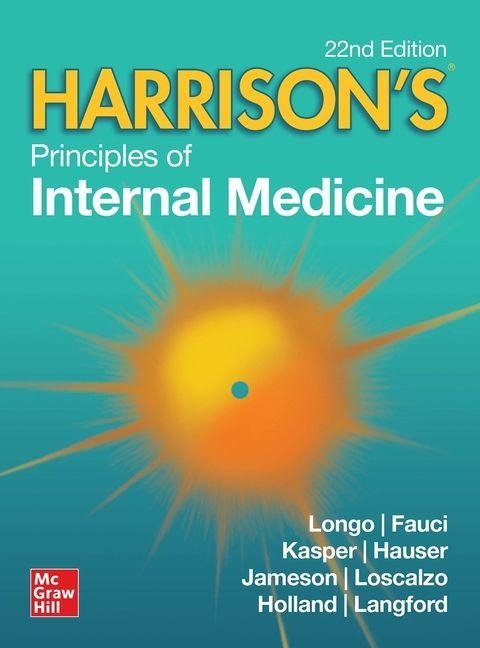
Harrison's Principles of Internal Medicine (Vol.1 & Vol.2)
Stephen Hauser, Joseph Loscalzo, Steven Holland, Dan Longo, J. Larry Jameson, Dennis Kasper, Carol Langford, Anthony Fauci
-35% su kodu BOOKS
Turime sandėlyje pas mūsų tiekėją
TOP

The Checklist Manifesto: How to Get Things Right
-35% su kodu BOOKS
Turime sandėlyje pas mūsų tiekėją
TOP
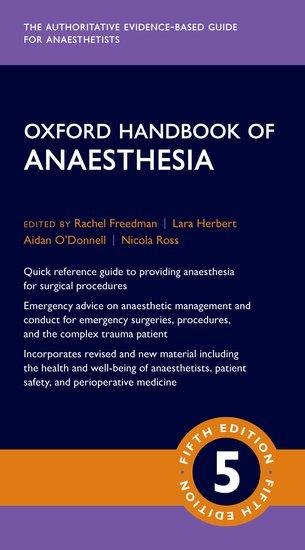
Oxford Handbook of Anaesthesia
-35% su kodu BOOKS
Turime sandėlyje pas mūsų tiekėją
TOP

On Connection: 'Powerful' MATT HAIG
-35% su kodu BOOKS
Turime sandėlyje pas mūsų tiekėją
TOP
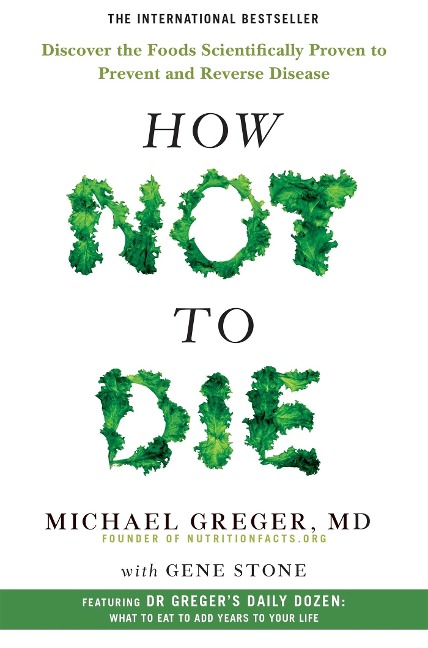
How Not To Die: Discover the foods scientifically proven to prevent and reverse disease
-35% su kodu BOOKS
Turime sandėlyje pas mūsų tiekėją
TOP
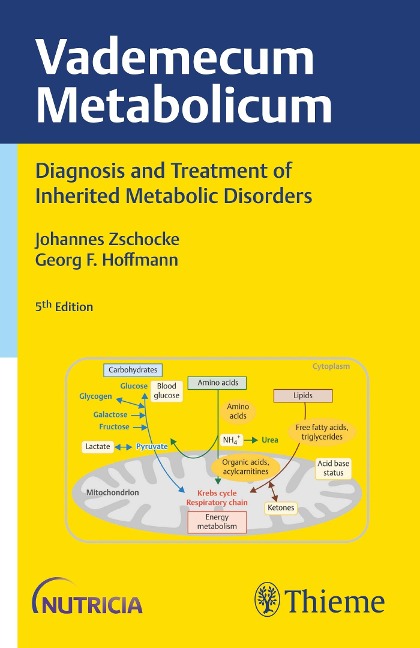
Vademecum Metabolicum: Diagnosis and Treatment of Inborn Errors of Metabolism Forword by William L. Nyhan, San Diego, USA
Johannes Zschocke, Georg F. Hoffmann
-35% su kodu BOOKS
Turime sandėlyje pas mūsų tiekėją
TOP

Cellular and Molecular Immunology
Sarah Henrickson, Abul K. Abbas, Andrew H. Lichtman, Shiv Pillai
-35% su kodu BOOKS
Turime sandėlyje pas mūsų tiekėją
TOP
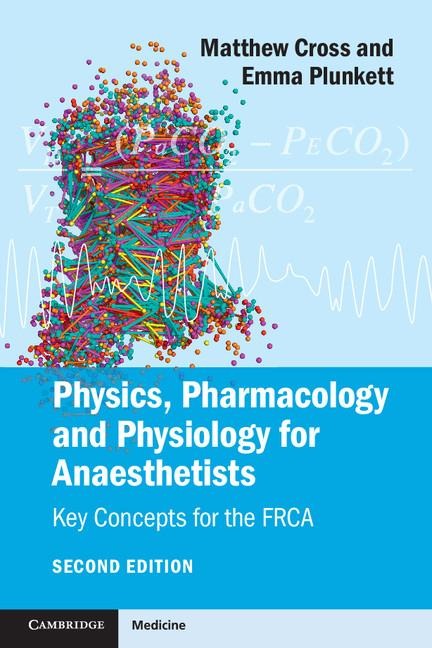
Physics, Pharmacology and Physiology for Anaesthetists: Key Concepts for the FRCA
Matthew E. Cross, Emma V. E. Plunkett
-35% su kodu BOOKS
Turime sandėlyje pas mūsų tiekėją
TOP

Being Mortal: Medicine and What Matters in the End
-35% su kodu BOOKS
Turime sandėlyje pas mūsų tiekėją
TOP
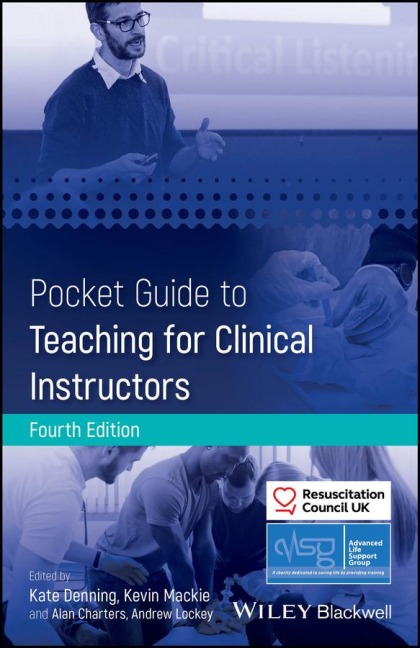
Pocket Guide to Teaching for Clinical Instructors
-35% su kodu BOOKS
Turime sandėlyje pas mūsų tiekėją
TOP
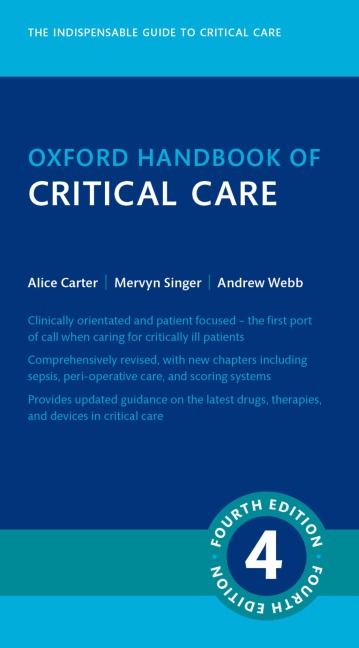
Oxford Handbook of Critical Care
Andrew Webb, Mervyn Singer, Alice Carter
-35% su kodu BOOKS
Turime sandėlyje pas mūsų tiekėją
TOP
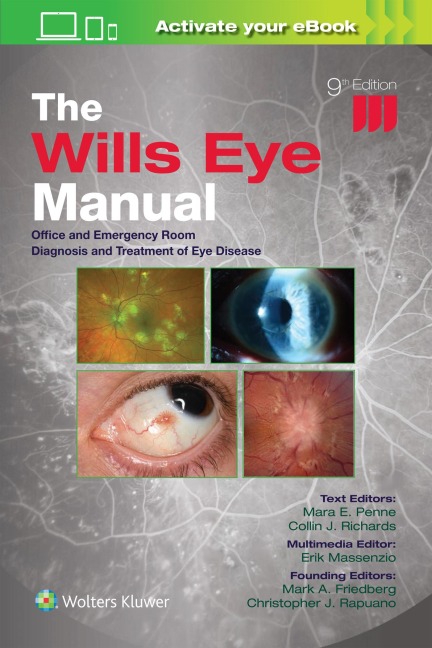
The Wills Eye Manual: Print + eBook with Multimedia: Office and Emergency Room Diagnosis and Treatment of Eye Disease
-35% su kodu BOOKS
Turime sandėlyje pas mūsų tiekėją
TOP


Who Deserves Your Love: How to Create Boundaries to Start, Strengthen or End Any Relationship
-35% su kodu BOOKS
Turime sandėlyje pas mūsų tiekėją
Aprašymas
Aging is the progressive decline in biological functions over time. This decline targets macromolecules, cells, tissues and, as a consequence, whole organisms. Despite considerable progress in the development of testable hypothesis concerning aging in an evolutionary context, a unifying theory of the molecular/physiological mechanistic causes of aging has not been reached. In fact, is it not clear to what extent aging is a programmed or stochastic process. This book takes the reader from unicellular bacterial deterioration via senescence in fungi and worms to aging in rodents and humans, allowing a comparative view on similarities and differences in different genetic model systems. The different model systems are scrutinized in the light of contemporary aging hypothesis, such as the free radical and genomic instability theories.
Daugiau informacijos
| Leidėjas | Springer Berlin Heidelberg |
|---|---|
| Series | Topics in Current Genetics |
| Išleidimo metai | 2010 |
| Viršelio tipas | Minkšti viršeliai |
| EAN | 9783642056987 |