
Microbial Extracellular Polymeric Substances: Characterization, Structure and Function -

-35% su kodu BOOKS
Pristatymas per 12-18 d.d.
30 dienų grąžinimo politika
Microbial extracellular polymeric substances (EPS) are the key components for the aggregation of microorganisms in biofilms, flocs and sludge. They are composed of polysaccharides, proteins, nucleic acids, lipids and other biological macromolecules. EPS provide a highly hydrated gel matrix in which microbial cells can establish stable synergistic consortia. Cohesion and adhesion as well as morphology, struc ... Visas aprašymas
Jums taip pat gali patikti
 TOP
TOP

The Art of Electronics
-35% su kodu BOOKS
Turime sandėlyje pas mūsų tiekėją
TOP
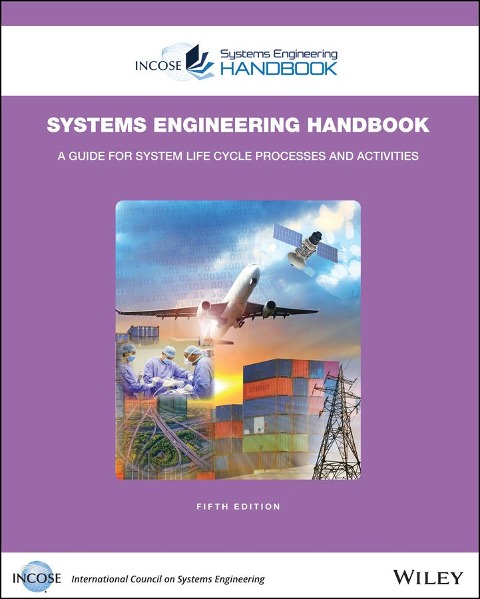
INCOSE Systems Engineering Handbook
-35% su kodu BOOKS
Turime sandėlyje pas mūsų tiekėją
TOP
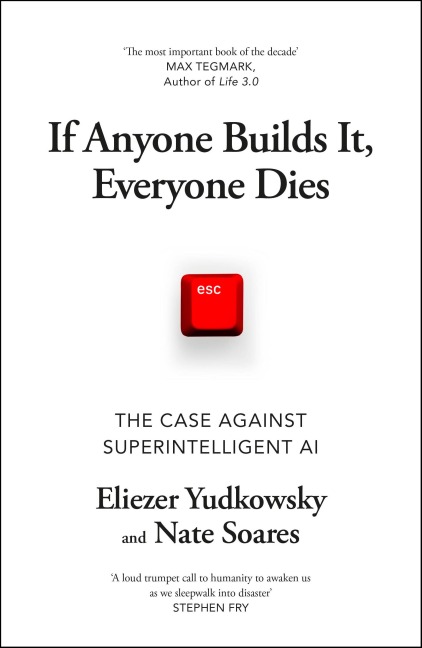
If Anyone Builds It, Everyone Dies: The Case Against Superintelligent AI
Eliezer Yudkowsky, Nate Soares
-35% su kodu BOOKS
Turime sandėlyje pas mūsų tiekėją
TOP

The Design of Everyday Things
-35% su kodu BOOKS
Turime sandėlyje pas mūsų tiekėją
TOP
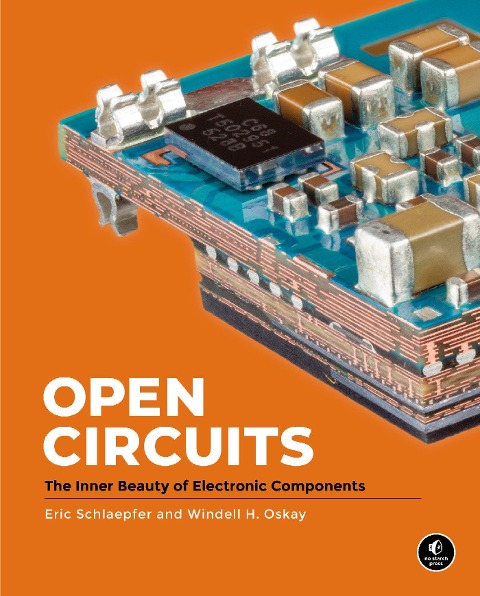
Open Circuits: The Inner Beauty of Electronic Components
Eric Schlaepfer, Windell Oskay
-35% su kodu BOOKS
Turime sandėlyje pas mūsų tiekėją
TOP
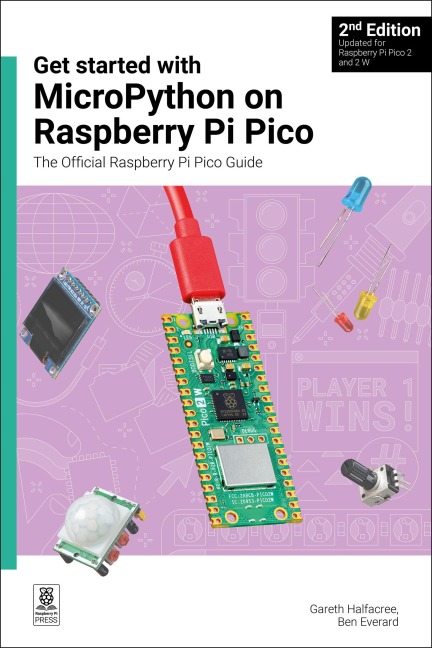
Get started with MicroPython on Raspberry Pi Pico: The Official Raspberry Pi Pico Guide
-35% su kodu BOOKS
Turime sandėlyje pas mūsų tiekėją
TOP


We Are Not Machines: The Fight for the Future of Work
-35% su kodu BOOKS
Turime sandėlyje pas mūsų tiekėją
TOP

Foundations of Flavor: The Noma Guide to Fermentation: Including Step-By-Step Information on Making and Cooking with: Koji, Kombuchas, Shoyus, Misos, Vinegars, Garums, Lacto-Ferments and black Fruits Vegetables
-35% su kodu BOOKS
Turime sandėlyje pas mūsų tiekėją
TOP

Nucleo Boards Programming with the STM32CubeIDE: Hands-on in more than 50 projects
-35% su kodu BOOKS
Turime sandėlyje pas mūsų tiekėją
TOP

Data-Driven Science and Engineering: Machine Learning, Dynamical Systems, and Control
Steven L. Brunton, J. Nathan Kutz
-35% su kodu BOOKS
Turime sandėlyje pas mūsų tiekėją
TOP

Fundamentals of Aerodynamics ISE
Christopher Cadou, John D. Anderson
-35% su kodu BOOKS
Turime sandėlyje pas mūsų tiekėją
TOP

Black Holes: The Key to Understanding the Universe
-35% su kodu BOOKS
Turime sandėlyje pas mūsų tiekėją
TOP

Practical Electronics for Inventors
-35% su kodu BOOKS
Turime sandėlyje pas mūsų tiekėją
TOP

Flowers For Algernon: A Modern Literary Classic
-35% su kodu BOOKS
Turime sandėlyje pas mūsų tiekėją
TOP

Human Compatible: Artificial Intelligence and the Problem of Control
-35% su kodu BOOKS
Turime sandėlyje pas mūsų tiekėją
TOP

How To Read Water: Clues & Patterns from Puddles to the Sea
-35% su kodu BOOKS
Turime sandėlyje pas mūsų tiekėją
TOP

Make: Electronics: Learning by Discovery: A hands-on primer for the new electronics enthusiast
-35% su kodu BOOKS
Turime sandėlyje pas mūsų tiekėją
TOP

Mastering the Arduino Uno R4: Programming and Projects for the Minima and WiFi
-35% su kodu BOOKS
Turime sandėlyje pas mūsų tiekėją
TOP

The Idea Factory: Bell Labs and the Great Age of American Innovation
-35% su kodu BOOKS
Turime sandėlyje pas mūsų tiekėją
TOP

Foundation Design and Construction
-35% su kodu BOOKS
Turime sandėlyje pas mūsų tiekėją
Aprašymas
Microbial extracellular polymeric substances (EPS) are the key components for the aggregation of microorganisms in biofilms, flocs and sludge. They are composed of polysaccharides, proteins, nucleic acids, lipids and other biological macromolecules. EPS provide a highly hydrated gel matrix in which microbial cells can establish stable synergistic consortia. Cohesion and adhesion as well as morphology, structure, biological function and other properties such as mechanical stability, diffusion, sorption and optical properties of microbial aggregates are determined by the EPS matrix. Also, the protection of biofilm organisms against biocides is attributed to the EPS. Their matrix allows phase separation in biofiltration and is also important for the degradation of particulate material which is of great importance for the self purification processes in surface waters and for waste water treatment.
Daugiau informacijos
| Leidėjas | Springer Berlin Heidelberg |
|---|---|
| Išleidimo metai | 2011 |
| Viršelio tipas | Minkšti viršeliai |
| EAN | 9783642642777 |