
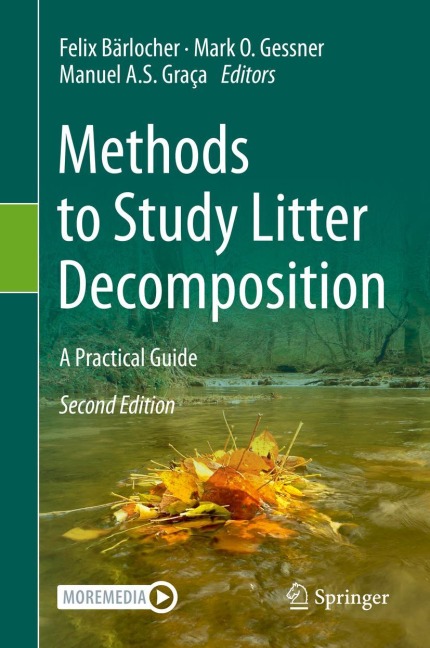
Methods to Study Litter Decomposition: A Practical Guide -
-35% su kodu BOOKS
Pristatymas per 17-23 d.d.
30 dienų grąžinimo politika
This edited volume is an extensive collection of methods for investigating plant litter dynamics in ecosystems. Particular emphasis is placed on litter decomposition in streams and rivers. The presented methods range from analyses of chemical and physical litter properties to the taxonomic and functional characterization of microbial decomposers, both fungi and bacteria, assessments of litter-consuming inve ... Visas aprašymas
Jums taip pat gali patikti
 TOP
TOP

Determined: The Science of Life Without Free Will
-35% su kodu BOOKS
Turime sandėlyje pas mūsų tiekėją
TOP

The Light Eaters: How the Unseen World of Plant Intelligence Offers a New Understanding of Life on Earth
-35% su kodu BOOKS
Turime sandėlyje pas mūsų tiekėją
 TOP
TOP
Why We Sleep: Unlocking the Power of Sleep and Dreams
-35% su kodu BOOKS
Yra sandėlyje
TOP
The Rise and Fall of the Dinosaurs: A New History of a Lost World
-35% su kodu BOOKS
Turime sandėlyje pas mūsų tiekėją
TOP
Biology: A Global Approach, Global Edition
Neil Campbell, Rebecca Orr, Lisa Urry, Peter Minorsky, Michael Cain, Jane Reece, Steven Wasserman
-35% su kodu BOOKS
Turime sandėlyje pas mūsų tiekėją
TOP

Six Not-so-easy Pieces: Einstein's Relativity, Symmetry, and Space-Time
Richard P. Feynman, Robert B. Leighton, Matthew Sands
-35% su kodu BOOKS
Turime sandėlyje pas mūsų tiekėją
TOP

Explaining AuDHD: The expert-led guide to Autism and ADHD Co-concurrence
-35% su kodu BOOKS
Turime sandėlyje pas mūsų tiekėją
TOP


The Age of Alchemy: How Early Innovators Shaped Modern Chemistry
-35% su kodu BOOKS
Turime sandėlyje pas mūsų tiekėją
TOP
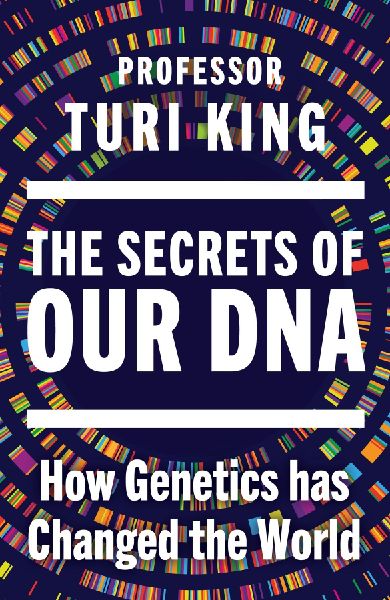
The Secrets of our DNA: How Genetics has Changed the World
-35% su kodu BOOKS
Turime sandėlyje pas mūsų tiekėją
TOP

How to Solve it: A New Aspect of Mathematical Method
-35% su kodu BOOKS
Turime sandėlyje pas mūsų tiekėją
TOP

Factfulness: Ten Reasons We're Wrong About the World--and Why Things Are Better Than You Think
Ola Rosling, Anna Rosling Rönnlund, Hans Rosling
-35% su kodu BOOKS
Turime sandėlyje pas mūsų tiekėją
TOP
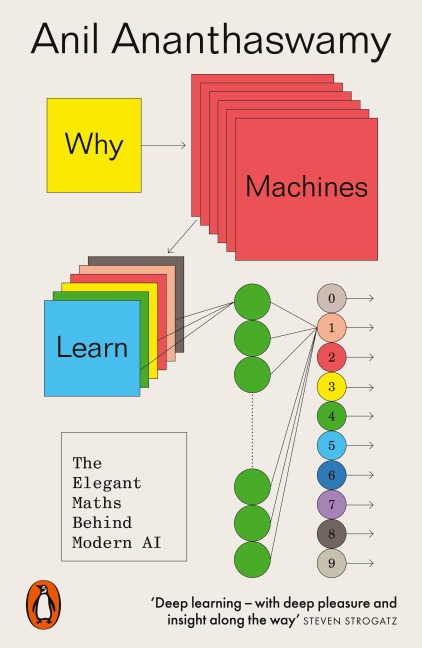
Why Machines Learn: The Elegant Maths Behind Modern AI
-35% su kodu BOOKS
Turime sandėlyje pas mūsų tiekėją
TOP

The Feynman Lectures on Physics. The New Millennium Edition
Matthew Sands, Robert Leighton, Richard Feynman
-35% su kodu BOOKS
Turime sandėlyje pas mūsų tiekėją
TOP
Seven Brief Lessons on Physics
-35% su kodu BOOKS
Turime sandėlyje pas mūsų tiekėją
TOP
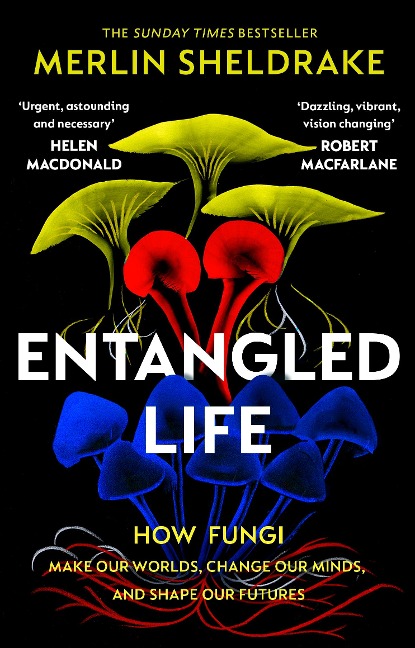
Entangled Life: How Fungi Make Our Worlds, Change Our Minds and Shape Our Futures
-35% su kodu BOOKS
Turime sandėlyje pas mūsų tiekėją
TOP

Life As No One Knows It: The Physics of Life's Emergence
-35% su kodu BOOKS
Turime sandėlyje pas mūsų tiekėją
TOP
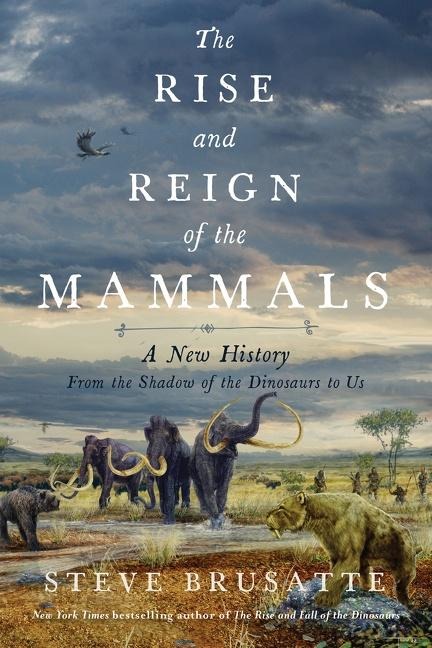
The Rise and Reign of the Mammals: A New History, from the Shadow of the Dinosaurs to Us
-35% su kodu BOOKS
Turime sandėlyje pas mūsų tiekėją
TOP
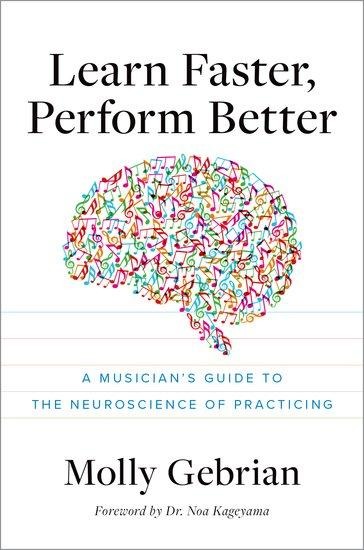
Learn Faster, Perform Better: A Musician's Guide to the Neuroscience of Practicing
-35% su kodu BOOKS
Turime sandėlyje pas mūsų tiekėją
TOP

Janeway's Immunobiology
Leslie J. Berg, Kenneth Murphy, Casey Weaver
-35% su kodu BOOKS
Turime sandėlyje pas mūsų tiekėją
Aprašymas
This edited volume is an extensive collection of methods for investigating plant litter dynamics in ecosystems. Particular emphasis is placed on litter decomposition in streams and rivers. The presented methods range from analyses of chemical and physical litter properties to the taxonomic and functional characterization of microbial decomposers, both fungi and bacteria, assessments of litter-consuming invertebrates, and procedures to determine litter dynamics at the stream ecosystem level. Several chapters addressing general topics of data analysis are also included. This second edition of the book has been greatly expanded. Its now 63 chapters cover both well-established and recently elaborated techniques, some of which have not yet been applied to decomposing litter in streams. Modern molecular techniques ranging from next-generation sequencing to proteomics receive special attention among the 20 chapters that are entirely new. Numerous methods on characterizing litter consumers have also been added to fill an evident gap of the first edition. However, the basic original concept and all of the previous chapters have been retained, although most of them have been thoroughly updated. Typical contributions provide step-by-step protocols that are preceded by brief reviews of the ecological significance and the principles underlying the method. Where available, short compilations of published data have been added in overview tables to provide background information on the range of results to expect. Useful hints, a discussion of potential weaknesses, and key references are provided at the end. Hands-on material useful to implement several of the presented methods (e.g. computer code, calculation sheets) is available online. The book is written for students embarking on studies of plant litter dynamics and for established researchers wishing to expand the scope of their methodological toolbox to study litter decomposition and themicrobial decomposers and invertebrates involved in the process. The primary intended audience is aquatic ecologists, since many of the methods presented in the book focus on streams and stream organisms. However, the great majority of the protocols can be easily adapted or even directly applied to coastal and terrestrial ecosystems. Consequently, they should be of equal interest to scientists investigating plant litter dynamics in habitats such as mangroves and salt-marshes, terrestrial grasslands and forests.
Daugiau informacijos
| Leidėjas | Springer Nature Switzerland |
|---|---|
| Išleidimo metai | 2020 |
| Viršelio tipas | Kieti viršeliai |
| EAN | 9783030305147 |