
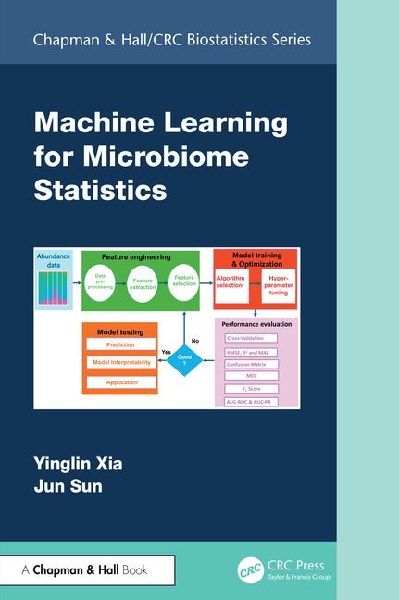
Machine Learning for Microbiome Statistics - Jun Sun,Yinglin Xia

-25% su kodu BOOKS
Pristatymas per 31-37 d.d.
30 dienų grąžinimo politika
Machine learning fundamentally learns from the past experiences (seen data) to make predictions about future (unseen data). Predictions in nature are often uncertain. Microbiome data have unique characteristics, including high-dimensionality, over-dispersion, sparsity and zero-inflation, and heterogeneity. Thus, machine learning microbiome data for predicting the outcome of phenotypes is even more uncertain ... Visas aprašymas
Jums taip pat gali patikti
 TOP
TOP

Determined: The Science of Life Without Free Will
-25% su kodu BOOKS
Turime sandėlyje pas mūsų tiekėją
 TOP
TOP
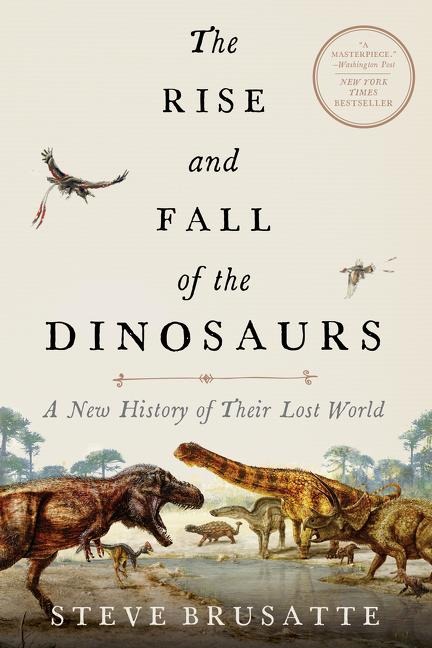
The Rise and Fall of the Dinosaurs: A New History of a Lost World
-25% su kodu BOOKS
Turime sandėlyje pas mūsų tiekėją
TOP
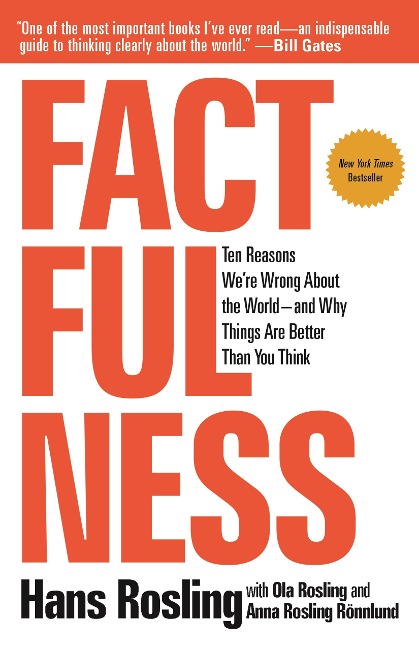
Factfulness: Ten Reasons We're Wrong About the World--and Why Things Are Better Than You Think
Ola Rosling, Anna Rosling Rönnlund, Hans Rosling
-25% su kodu BOOKS
Turime sandėlyje pas mūsų tiekėją
TOP
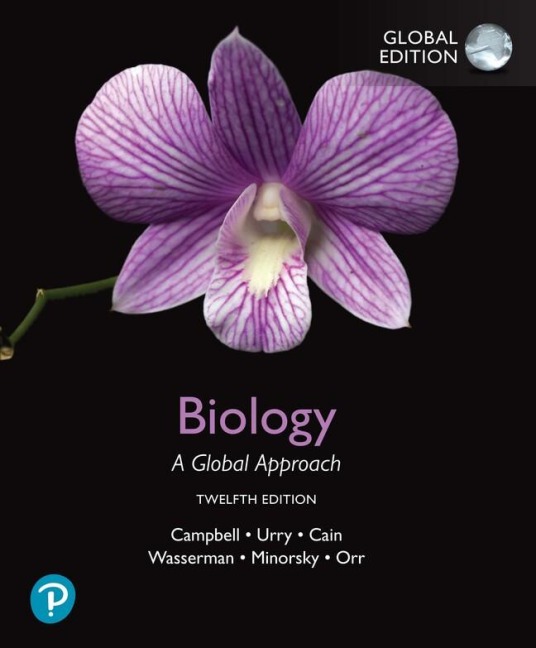
Biology: A Global Approach, Global Edition
Neil Campbell, Rebecca Orr, Lisa Urry, Peter Minorsky, Michael Cain, Jane Reece, Steven Wasserman
-25% su kodu BOOKS
Turime sandėlyje pas mūsų tiekėją
TOP

Six Not-so-easy Pieces: Einstein's Relativity, Symmetry, and Space-Time
Richard P. Feynman, Robert B. Leighton, Matthew Sands
-25% su kodu BOOKS
Turime sandėlyje pas mūsų tiekėją
TOP
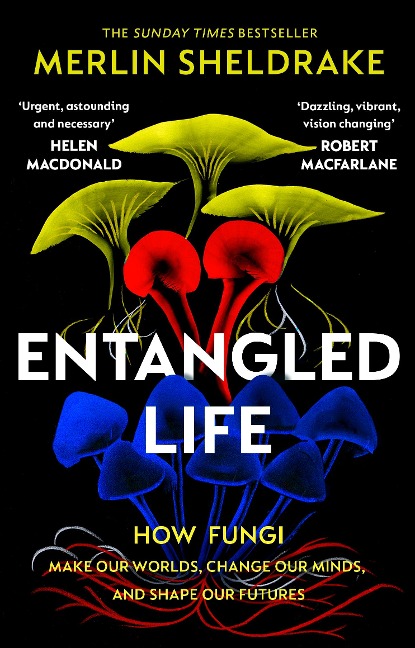
Entangled Life: How Fungi Make Our Worlds, Change Our Minds and Shape Our Futures
-25% su kodu BOOKS
Turime sandėlyje pas mūsų tiekėją
TOP

The Light Eaters: How the Unseen World of Plant Intelligence Offers a New Understanding of Life on Earth
-25% su kodu BOOKS
Turime sandėlyje pas mūsų tiekėją
TOP

The Age of Alchemy: How Early Innovators Shaped Modern Chemistry
-25% su kodu BOOKS
Turime sandėlyje pas mūsų tiekėją
TOP
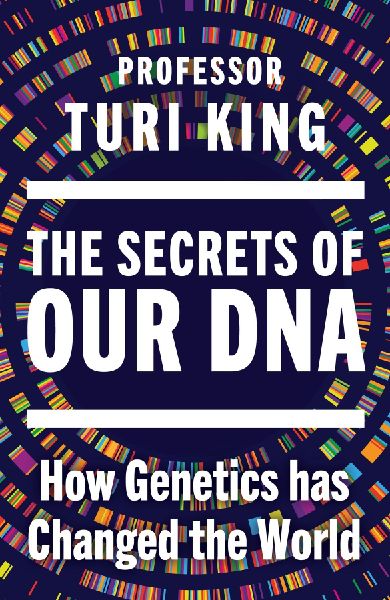
The Secrets of our DNA: How Genetics has Changed the World
-25% su kodu BOOKS
Turime sandėlyje pas mūsų tiekėją
TOP

Janeway's Immunobiology
Leslie J. Berg, Kenneth Murphy, Casey Weaver
-25% su kodu BOOKS
Turime sandėlyje pas mūsų tiekėją
TOP
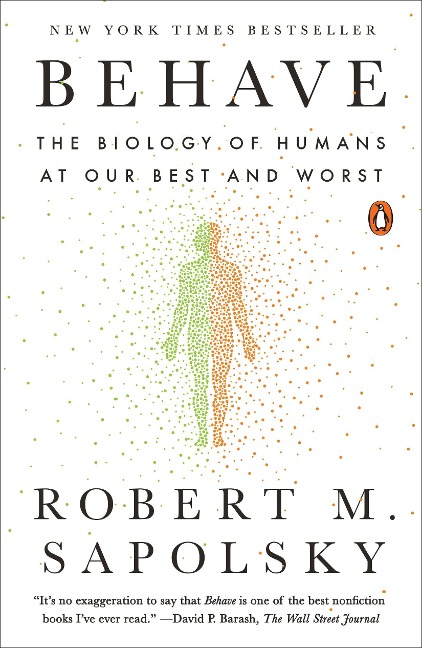
Behave: The Biology of Humans at Our Best and Worst
-25% su kodu BOOKS
Turime sandėlyje pas mūsų tiekėją
TOP
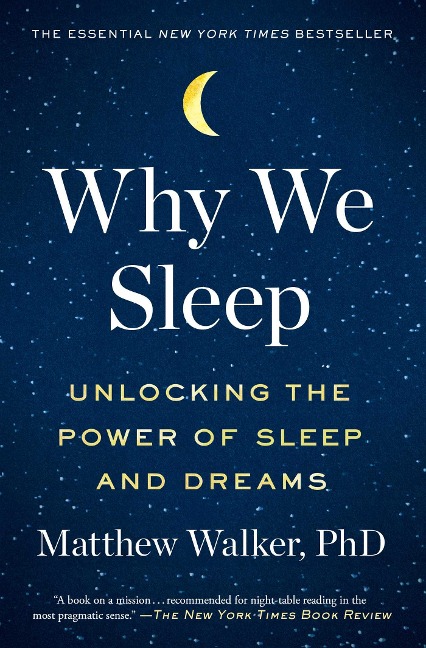
Why We Sleep: Unlocking the Power of Sleep and Dreams
-25% su kodu BOOKS
Yra sandėlyje
TOP
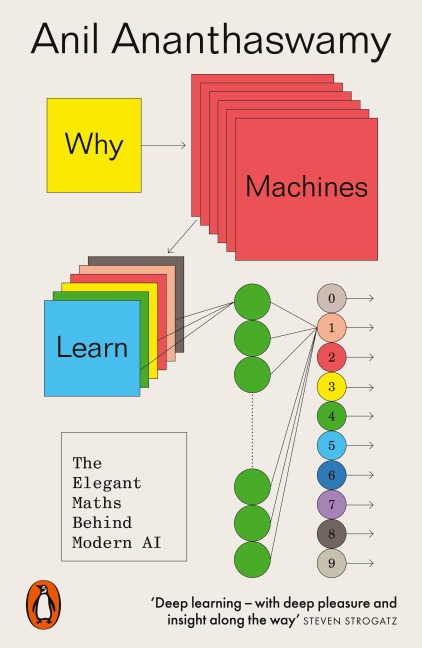
Why Machines Learn: The Elegant Maths Behind Modern AI
-25% su kodu BOOKS
Turime sandėlyje pas mūsų tiekėją
TOP

Life As No One Knows It: The Physics of Life's Emergence
-25% su kodu BOOKS
Turime sandėlyje pas mūsų tiekėją
TOP
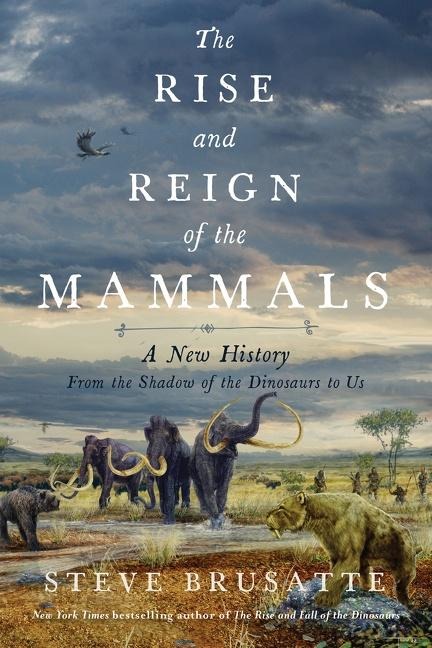
The Rise and Reign of the Mammals: A New History, from the Shadow of the Dinosaurs to Us
-25% su kodu BOOKS
Turime sandėlyje pas mūsų tiekėją
TOP
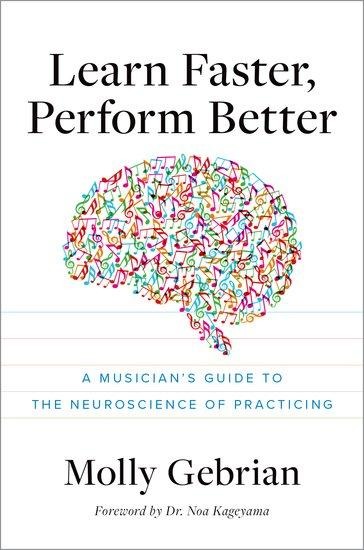
Learn Faster, Perform Better: A Musician's Guide to the Neuroscience of Practicing
-25% su kodu BOOKS
Turime sandėlyje pas mūsų tiekėją
TOP
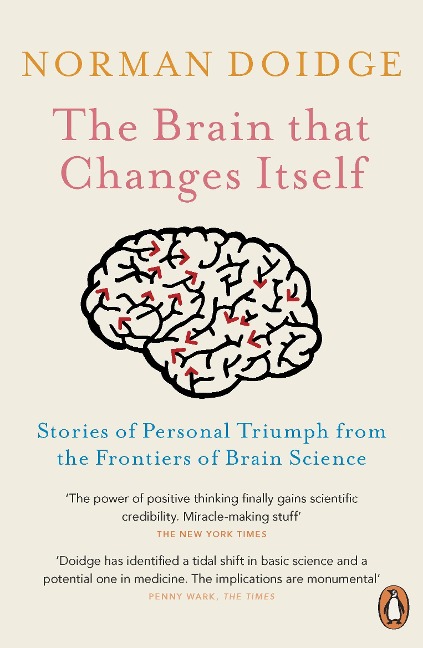
The Brain That Changes Itself: Stories of Personal Triumph from the Frontiers of Brain Science
-25% su kodu BOOKS
Turime sandėlyje pas mūsų tiekėją
TOP
On the Origin of Species
-25% su kodu BOOKS
Turime sandėlyje pas mūsų tiekėją
TOP

How to Solve it: A New Aspect of Mathematical Method
-25% su kodu BOOKS
Turime sandėlyje pas mūsų tiekėją
Aprašymas
Machine learning fundamentally learns from the past experiences (seen data) to make predictions about future (unseen data). Predictions in nature are often uncertain. Microbiome data have unique characteristics, including high-dimensionality, over-dispersion, sparsity and zero-inflation, and heterogeneity. Thus, machine learning microbiome data for predicting the outcome of phenotypes is even more uncertain than learning those data from other fields. Machine Learning for Microbiome Statistics poses many challenges for evaluating the prediction performance using appropriate metrics and independent data validation.
This unique book aims to address the challenges of machine learning statistics, emphasize the importance of performance valuation by appropriate metrics and independent data, and describe several important concepts of machine learning statistics, such as feature engineering and overfitting. It comprehensively reviews commonly used and newly developed machine learning models for microbiome research. Specifically, this book provides the step-by-step procedures to perform machine learning microbiome data, including feature engineering, algorithm selection and optimization, performance evaluation and model testing. It comments the benefits and limitations of using machine learning for microbiome statistics and remarks on the advantages and disadvantages of each machine learning algorithm.
It will be an excellent reference book for students and academics in the field.
- Presents a thorough overview of machine learning algorithms for microbiome statistics.
- Performs step-by-step procedures to perform machine learning microbiome data, using important supervised learning algorithms, including classical, ensemble learning and tree-based models.
- Describes important concepts of machine learning, including bias and variance tradeoff, accuracy and precision, overfitting and underfitting, model complexity and interpretability, and feature engineering,
- Investigates and applies various cross-validation techniques step-by-step.
- Introduces confusion matrix and its derived measures. Comprehensively describes the properties of F1, Matthews' correlation coefficient (MCC), area under the receiver operating characteristic curve (AUC-ROC), and area under the precision-recall curve (AUC-PR), as well as discusses their advantages and disadvantages when using for microbiome data.
- Offers all related R codes and the datasets from the authors' first-hand microbiome research and publicly available data.
Daugiau informacijos
| Autorius | Jun Sun, Yinglin Xia |
|---|---|
| Leidėjas | CRC Press |
| Išleidimo metai | 2026 |
| Viršelio tipas | Kieti viršeliai |
| EAN | 9781041005247 |