
John Pecham - Vincent G. Potter

-25% su kodu BOOKS
Pristatymas per 17-23 d.d.
30 dienų grąžinimo politika
This dual-language book is a translation of John Pecham’s De aeternitate mundi (On the Eternity of the World), written probably in 1270. Pecham was born in England around 1230. He pursued studies in Paris, where he may have been a student of Roger Bacon’s, and at Oxford. He returned to Paris some time between 1257 and 1259 to study theology and in 1269-1270 became magister theologiae. It was at this time th ... Visas aprašymas
Jums taip pat gali patikti
 TOP
TOP

How Not to Be Wrong: The Power of Mathematical Thinking
-25% su kodu BOOKS
Turime sandėlyje pas mūsų tiekėją
TOP

The Holy Bible - King James Version (KJV): Popular Gift & Award Black Leatherette Edition
-25% su kodu BOOKS
Turime sandėlyje pas mūsų tiekėją
 TOP
TOP
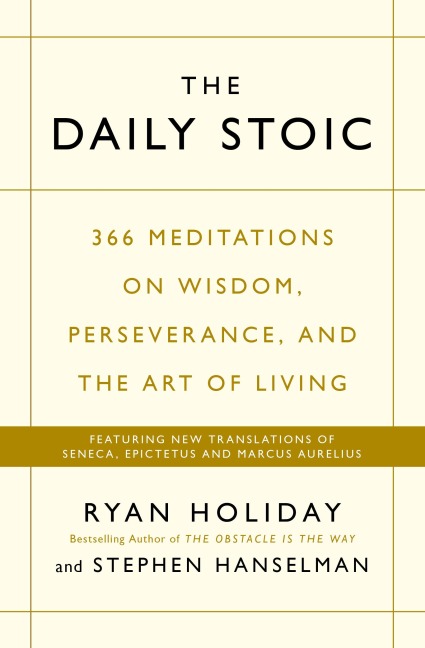
The Daily Stoic: 366 Meditations on Wisdom, Perseverance, and the Art of Living: Featuring new translations of Seneca, Epictetus, and Marcus Aurelius
Stephen Hanselman, Ryan Holiday
-25% su kodu BOOKS
Yra sandėlyje
TOP

Ikigai: The Japanese secret to a long and happy life
Francesc Miralles, Héctor García
-25% su kodu BOOKS
Yra sandėlyje
TOP

The Artist's Way: A Spiritual Path to Higher Creativity
-25% su kodu BOOKS
Turime sandėlyje pas mūsų tiekėją
TOP


Original Sin: The Genetics of Wrongdoing, the Problem of Blame and the Future of Forgiveness
-25% su kodu BOOKS
Turime sandėlyje pas mūsų tiekėją
TOP

The Art of War & Other Classics of Eastern Philosophy
Mencius, Lao-Tzu, Confucius, Sun Tzu
-25% su kodu BOOKS
Turime sandėlyje pas mūsų tiekėją
TOP

A Little History of Philosophy
-25% su kodu BOOKS
Turime sandėlyje pas mūsų tiekėją
TOP

Can Socialists be Happy?
-25% su kodu BOOKS
Turime sandėlyje pas mūsų tiekėją
TOP

The Power of Now: A Guide to Spiritual Enlightenment
-25% su kodu BOOKS
Yra sandėlyje
TOP

The Café on the Edge of the World: A Story About the Meaning of Life
-25% su kodu BOOKS
Turime sandėlyje pas mūsų tiekėją
 TOP
TOP

The Reed of God: Mary, Virgin and Mother
-25% su kodu BOOKS
Turime sandėlyje pas mūsų tiekėją
TOP
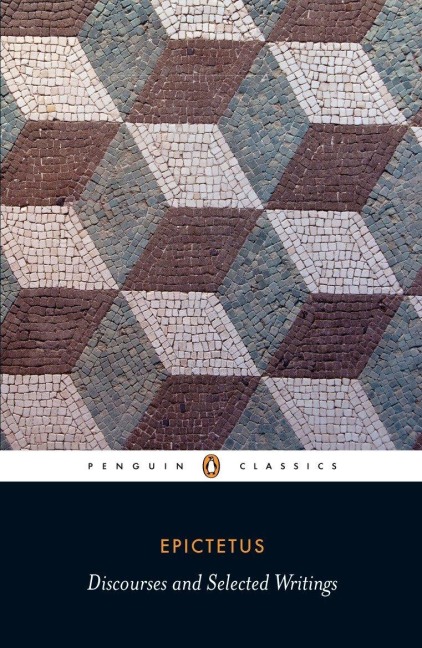
Discourses and Selected Writings
-25% su kodu BOOKS
Turime sandėlyje pas mūsų tiekėją
TOP

Antifragile: Things That Gain from Disorder
-25% su kodu BOOKS
Turime sandėlyje pas mūsų tiekėją
 TOP
TOP
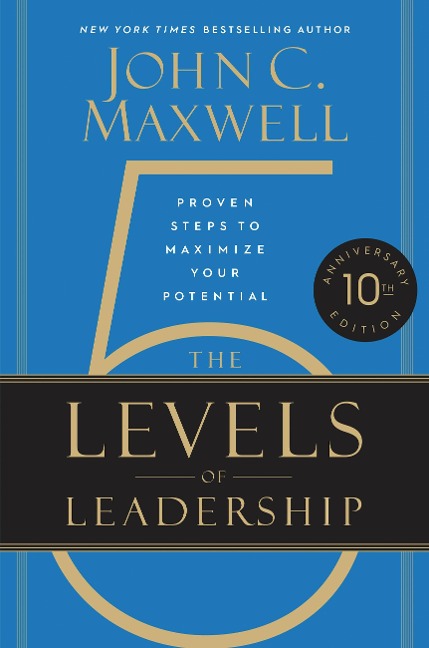
The 5 Levels of Leadership: Proven Steps to Maximize Your Potential
-25% su kodu BOOKS
Turime sandėlyje pas mūsų tiekėją
TOP
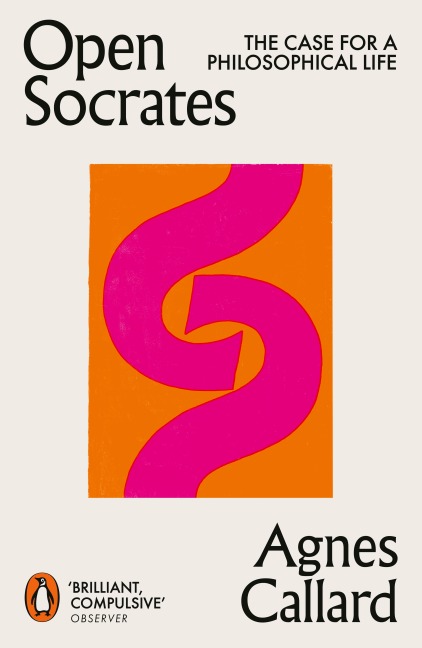
Open Socrates: The Case for a Philosophical Life
-25% su kodu BOOKS
Turime sandėlyje pas mūsų tiekėją
TOP

Thus Spoke Zarathustra: A Book for Everyone and No One
-25% su kodu BOOKS
Turime sandėlyje pas mūsų tiekėją
Aprašymas
Daugiau informacijos
| Autorius | Vincent G. Potter |
|---|---|
| Leidėjas | Fordham University Press |
| Išleidimo metai | 1993 |
| Viršelio tipas | Kieti viršeliai |
| EAN | 9780823214884 |