
Introducing Cal: A Practical Guide to Writing Computer-Assisted Learning Programs - Keith Hudson

-35% su kodu BOOKS
Pristatymas per 10-16 d.d.
30 dienų grąžinimo politika
It is often the case - perhaps more often than not - that new ideas arrive long before there is the me ans to clothe and deli ver them. We can think ofLeonardo da Vinci's drawings of helicopters and submarines among many other examples. Computer-Assisted Learning (CAL) is an example of an idea which has had a particularly long gestation. As I will illustrate early in the book, the principles of CAL were rea ... Visas aprašymas
Jums taip pat gali patikti
 TOP
TOP

The Culture Map: Breaking Through the Invisible Boundaries of Global Business
-35% su kodu BOOKS
Yra sandėlyje
TOP

Atomic Habits: An Easy & Proven Way to Build Good Habits & Break Bad Ones
-35% su kodu BOOKS
Yra sandėlyje
TOP

Women Who Run with the Wolves: Myths and Stories of the Wild Woman Archetype
Clarissa Pinkola Estés, Clarissa Pinkola Estes
-35% su kodu BOOKS
Turime sandėlyje pas mūsų tiekėją
TOP

How Democracies Die
Steven Levitsky, Daniel Ziblatt
-35% su kodu BOOKS
Turime sandėlyje pas mūsų tiekėją
 TOP
TOP

Prisoners of Geography: Updated 10th Anniversary Edition: Ten Maps That Tell You Everything You Need To Know About Global Politics
-35% su kodu BOOKS
Turime sandėlyje pas mūsų tiekėją
TOP


Classic Football Shirts
Classic Football Shirts, Rory Smith
-35% su kodu BOOKS
Turime sandėlyje pas mūsų tiekėją
TOP

All about Love: New Visions
-35% su kodu BOOKS
Turime sandėlyje pas mūsų tiekėją
TOP

The Whole-Brain Child: 12 Revolutionary Strategies to Nurture Your Child's Developing Mind
Daniel J. Siegel, Tina Payne Bryson
-35% su kodu BOOKS
Turime sandėlyje pas mūsų tiekėją
TOP

Pedagogy of the Oppressed
-35% su kodu BOOKS
Turime sandėlyje pas mūsų tiekėją
 TOP
TOP

Braiding Sweetgrass: Indigenous Wisdom, Scientific Knowledge and the Teachings of Plants
-35% su kodu BOOKS
Turime sandėlyje pas mūsų tiekėją
TOP
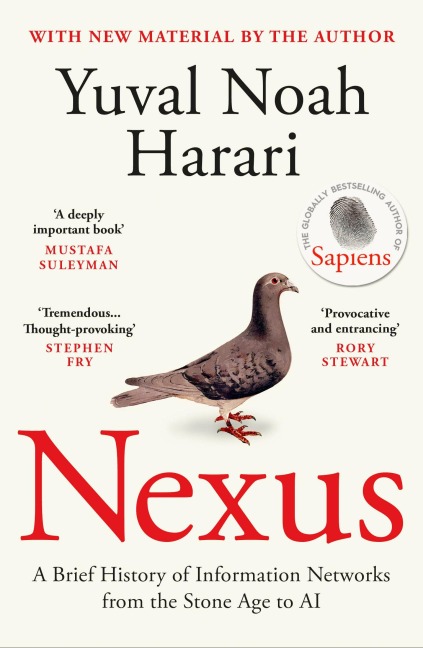
Nexus: A Brief History of Information Networks from the Stone Age to AI
-35% su kodu BOOKS
Turime sandėlyje pas mūsų tiekėją
 TOP
TOP

To Kill a Mockingbird. 60th Anniversary Edition
-35% su kodu BOOKS
Turime sandėlyje pas mūsų tiekėją
TOP
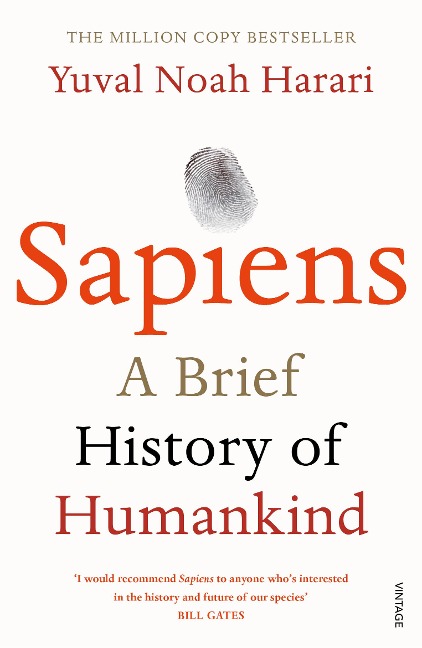
Sapiens: A Brief History of Humankind
-35% su kodu BOOKS
Turime sandėlyje pas mūsų tiekėją
TOP

When Breath Becomes Air
-35% su kodu BOOKS
Turime sandėlyje pas mūsų tiekėją
TOP
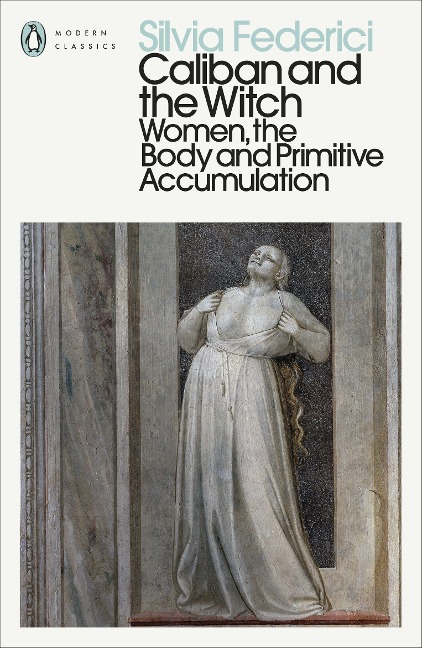
Caliban and the Witch: Women, the Body and Primitive Accumulation
-35% su kodu BOOKS
Turime sandėlyje pas mūsų tiekėją
TOP

Breaking Through: My Life in Science
-35% su kodu BOOKS
Turime sandėlyje pas mūsų tiekėją
TOP

The Will to Change: Men, Masculinity, and Love
-35% su kodu BOOKS
Turime sandėlyje pas mūsų tiekėją
Aprašymas
It is often the case - perhaps more often than not - that new ideas arrive long before there is the me ans to clothe and deli ver them. We can think ofLeonardo da Vinci's drawings of helicopters and submarines among many other examples. Computer-Assisted Learning (CAL) is an example of an idea which has had a particularly long gestation. As I will illustrate early in the book, the principles of CAL were really first discovered by Socrates. As a formal method of teaching, the Socratic method disappeared for over two millennia until the 1950s. It was then revived in the form ofProgrammed Learning (PL) which resulted from the researches ofB. F. Skinner at Harvard University. Even then, PL was premature. In the 1950s and 60s, methods were devised, such as teaching machines and various sorts ofPL text books, and there was a mushrooming of PL publishing at that time. For a complex of reason- economic, logistical and technical-PL also largely disappeared from the mid- 60s, although it continued in a few specialized areas ofteaching and industrial training. However, during the same period, PL quietly transformed itselfinto CAL. But the computerized form was not capable of mass dissemination until recently hecause personal microcomputers did not have sufficient internal memory sizes. That situation has now changed very dramatically and 128K microcomputers are becoming cheap and widely available. Cheap memory chips of256K and 1024K cannot be far away, either.
Daugiau informacijos
| Autorius | Keith Hudson |
|---|---|
| Leidėjas | Springer New York |
| Išleidimo metai | 1984 |
| Viršelio tipas | Minkšti viršeliai |
| EAN | 9780412262302 |