
Hypertext and Cognition -

-35% su kodu BOOKS
Pristatymas per 15-21 d.d.
30 dienų grąžinimo politika
The recent evolution of western societies has been characterized by an increasing emphasis on information and communication. As the amount of available information increases, however, the user -- worker, student, citizen -- faces a new problem: selecting and accessing relevant information. More than ever it is crucial to find efficient ways for users to interact with information systems in a way that preven ... Visas aprašymas
Jums taip pat gali patikti
 TOP
TOP

The Culture Map: Breaking Through the Invisible Boundaries of Global Business
-35% su kodu BOOKS
Yra sandėlyje
TOP

Atomic Habits: An Easy & Proven Way to Build Good Habits & Break Bad Ones
-35% su kodu BOOKS
Yra sandėlyje
TOP

Women Who Run with the Wolves: Myths and Stories of the Wild Woman Archetype
Clarissa Pinkola Estés, Clarissa Pinkola Estes
-35% su kodu BOOKS
Turime sandėlyje pas mūsų tiekėją
TOP

How Democracies Die
Steven Levitsky, Daniel Ziblatt
-35% su kodu BOOKS
Turime sandėlyje pas mūsų tiekėją
 TOP
TOP

Prisoners of Geography: Updated 10th Anniversary Edition: Ten Maps That Tell You Everything You Need To Know About Global Politics
-35% su kodu BOOKS
Turime sandėlyje pas mūsų tiekėją
TOP


Classic Football Shirts
Classic Football Shirts, Rory Smith
-35% su kodu BOOKS
Turime sandėlyje pas mūsų tiekėją
TOP

All about Love: New Visions
-35% su kodu BOOKS
Turime sandėlyje pas mūsų tiekėją
TOP

The Whole-Brain Child: 12 Revolutionary Strategies to Nurture Your Child's Developing Mind
Daniel J. Siegel, Tina Payne Bryson
-35% su kodu BOOKS
Turime sandėlyje pas mūsų tiekėją
TOP

Pedagogy of the Oppressed
-35% su kodu BOOKS
Turime sandėlyje pas mūsų tiekėją
 TOP
TOP

Braiding Sweetgrass: Indigenous Wisdom, Scientific Knowledge and the Teachings of Plants
-35% su kodu BOOKS
Turime sandėlyje pas mūsų tiekėją
TOP
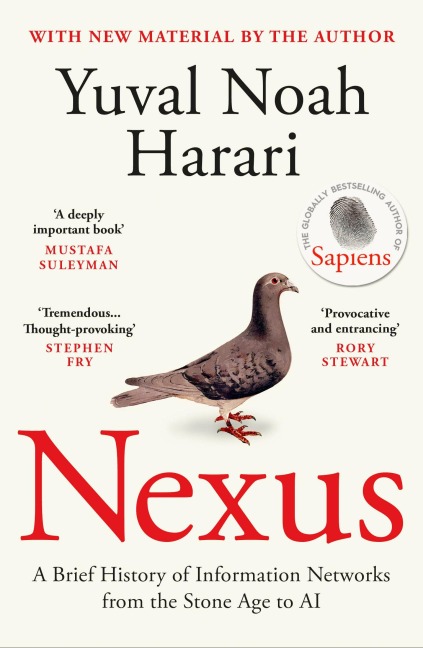
Nexus: A Brief History of Information Networks from the Stone Age to AI
-35% su kodu BOOKS
Turime sandėlyje pas mūsų tiekėją
 TOP
TOP

To Kill a Mockingbird. 60th Anniversary Edition
-35% su kodu BOOKS
Turime sandėlyje pas mūsų tiekėją
TOP
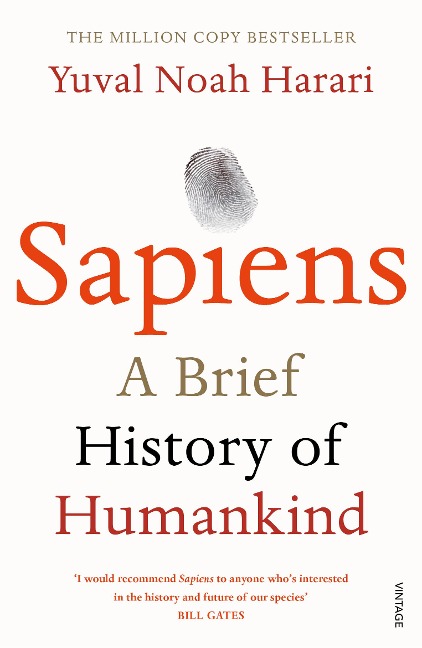
Sapiens: A Brief History of Humankind
-35% su kodu BOOKS
Turime sandėlyje pas mūsų tiekėją
TOP

When Breath Becomes Air
-35% su kodu BOOKS
Turime sandėlyje pas mūsų tiekėją
TOP

Caliban and the Witch: Women, the Body and Primitive Accumulation
-35% su kodu BOOKS
Turime sandėlyje pas mūsų tiekėją
TOP

Breaking Through: My Life in Science
-35% su kodu BOOKS
Turime sandėlyje pas mūsų tiekėją
TOP

The Will to Change: Men, Masculinity, and Love
-35% su kodu BOOKS
Turime sandėlyje pas mūsų tiekėją
Aprašymas
The recent evolution of western societies has been characterized by an increasing emphasis on information and communication. As the amount of available information increases, however, the user -- worker, student, citizen -- faces a new problem: selecting and accessing relevant information. More than ever it is crucial to find efficient ways for users to interact with information systems in a way that prevents them from being overwhelmed or simply missing their targets. As a result, hypertext systems have been developed as a means of facilitating the interactions between readers and text. In hypertext, information is organized as a network in which nodes are text chunks (e.g., lists of items, paragraphs, pages) and links are relationships between the nodes (e.g., semantic associations, expansions, definitions, examples -- virtually any kind of relation that can be imagined between two text passages). Unfortunately, the many ways in which these hypertext interfaces can be designed has caused a complexity that extends far beyond the processing abilities of regular users. Therefore, it has become widely recognized that a more rational approach based on a thorough analysis of information users' needs, capacities, capabilities, and skills is needed. This volume seeks to meet that need. From a user-centered perspective -- between systems and users -- this volume presents theoretical and empirical research on the cognitive processes involved in using hypertext. In so doing, it illustrates three main approaches to the design of hypertext systems: *cognitive, which examines how users process multilayered hypertext structures; *ergonomical, which explores how users interact with the design characteristics of hardware and software; and *educational, which studies the learning objectives, frequency and duration of hypertext sessions, type of reading activity, and the user's learning characteristics. This volume also tries to provide answers for the questions that have plagued hypertext research: *What is hypertext good for? *Who is hypertext good for? *If it is useful for learning and instruction, then what type? *What particular cognitive skills are needed to interact successfully with a hypertext system? Anyone interested in the fields of computer science, linguistics, psychology, education, and graphic design will find this volume intriguing, informative, and a definitive starting point for future research in the field of hypertext.
Daugiau informacijos
| Leidėjas | Routledge |
|---|---|
| Išleidimo metai | 1996 |
| Viršelio tipas | Minkšti viršeliai |
| EAN | 9780805821444 |