
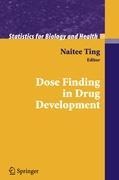
Dose Finding in Drug Development -
-25% su kodu BOOKS
Pristatymas per 12-18 d.d.
30 dienų grąžinimo politika
This book emphasizes dose selection issues from a statistical point of view. It presentsstatisticalapplicationsinthedesignandanalysisofdose¿responsestudies. The importance of this subject can be found from the International Conference on Harmonization (ICH) E4 Guidance document. Establishing the dose¿response relationship is one of the most important act- ities in developing a new drug. A clinical developme ... Visas aprašymas
Jums taip pat gali patikti
 TOP
TOP

The Myth of Normal: Trauma, Illness, and Healing in a Toxic Culture
-25% su kodu BOOKS
Yra sandėlyje
TOP
Lifespan: Why We Age - and Why We Don't Have To
-25% su kodu BOOKS
Turime sandėlyje pas mūsų tiekėją
TOP

On Connection: 'Powerful' MATT HAIG
-25% su kodu BOOKS
Turime sandėlyje pas mūsų tiekėją
TOP
Harrison's Principles of Internal Medicine (Vol.1 & Vol.2)
Stephen Hauser, Joseph Loscalzo, Steven Holland, Dan Longo, J. Larry Jameson, Dennis Kasper, Carol Langford, Anthony Fauci
-25% su kodu BOOKS
Turime sandėlyje pas mūsų tiekėją
TOP
The Body Keeps the Score: Brain, Mind, and Body in the Healing of Trauma
-25% su kodu BOOKS
Turime sandėlyje pas mūsų tiekėją
TOP
No Bad Parts: Healing Trauma and Restoring Wholeness with the Internal Family Systems Model
-25% su kodu BOOKS
Turime sandėlyje pas mūsų tiekėją
TOP
Oxford Handbook of Anaesthesia
-25% su kodu BOOKS
Turime sandėlyje pas mūsų tiekėją
TOP

Maybe You Should Talk to Someone: a therapist, her thearapist, and our lives revealed
-25% su kodu BOOKS
Turime sandėlyje pas mūsų tiekėją
TOP

The Checklist Manifesto: How to Get Things Right
-25% su kodu BOOKS
Turime sandėlyje pas mūsų tiekėją
TOP

Attached: Are you Anxious, Avoidant or Secure? How the science of adult attachment can help you find - and keep - love
Amir Levine, Rachel S.F. Heller
-25% su kodu BOOKS
Turime sandėlyje pas mūsų tiekėją
TOP

Cellular and Molecular Immunology
Sarah Henrickson, Abul K. Abbas, Andrew H. Lichtman, Shiv Pillai
-25% su kodu BOOKS
Turime sandėlyje pas mūsų tiekėją
TOP
The Autistic Burnout Workbook: Your Guide to Your Personal Recovery Plan
-25% su kodu BOOKS
Turime sandėlyje pas mūsų tiekėją
TOP
Anatomy of the Horse: with Aaron Horowitz and Rolf Berg
Klaus-Dieter Budras, W. O. Sack, Sabine Röck
-25% su kodu BOOKS
Turime sandėlyje pas mūsų tiekėją
TOP
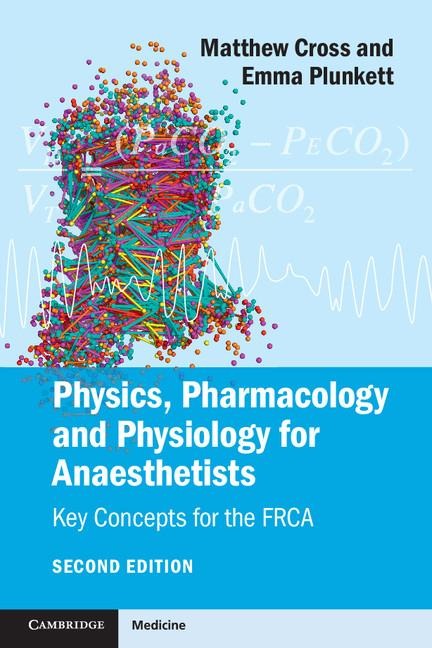
Physics, Pharmacology and Physiology for Anaesthetists: Key Concepts for the FRCA
Matthew E. Cross, Emma V. E. Plunkett
-25% su kodu BOOKS
Turime sandėlyje pas mūsų tiekėją
TOP
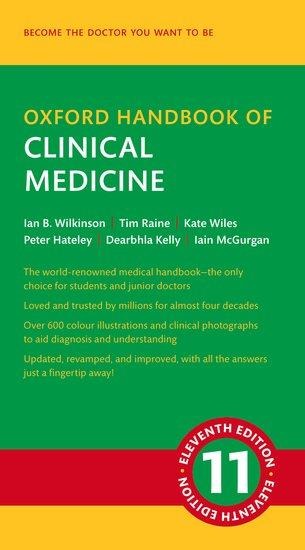
Oxford Handbook of Clinical Medicine
Peter Hateley, Iain McGurgan, Ian B. Wilkinson, Tim Raine, Dearbhla Kelly, Kate Wiles
-25% su kodu BOOKS
Turime sandėlyje pas mūsų tiekėją
TOP
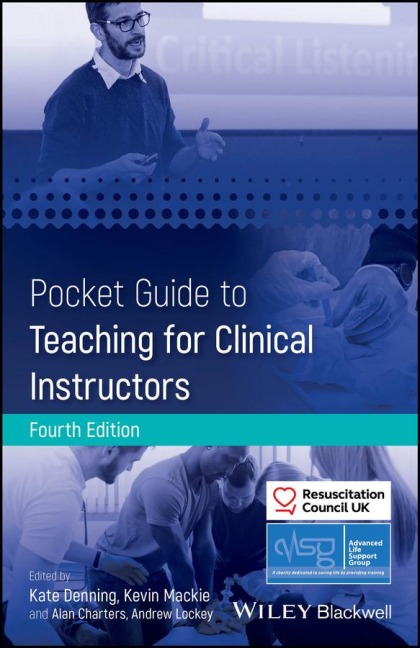
Pocket Guide to Teaching for Clinical Instructors
-25% su kodu BOOKS
Turime sandėlyje pas mūsų tiekėją
TOP
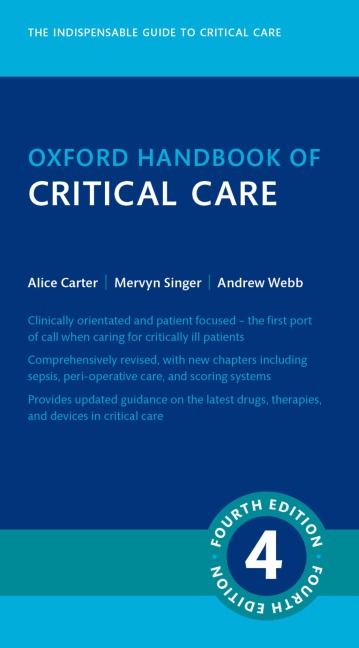
Oxford Handbook of Critical Care
Andrew Webb, Mervyn Singer, Alice Carter
-25% su kodu BOOKS
Turime sandėlyje pas mūsų tiekėją
TOP
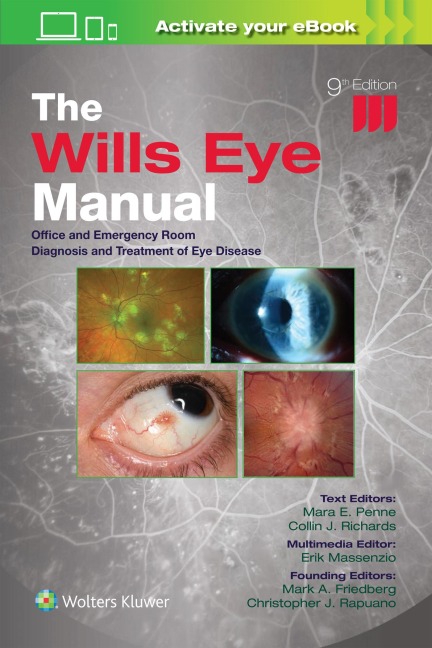
The Wills Eye Manual: Print + eBook with Multimedia: Office and Emergency Room Diagnosis and Treatment of Eye Disease
-25% su kodu BOOKS
Turime sandėlyje pas mūsų tiekėją

 TOP
TOP
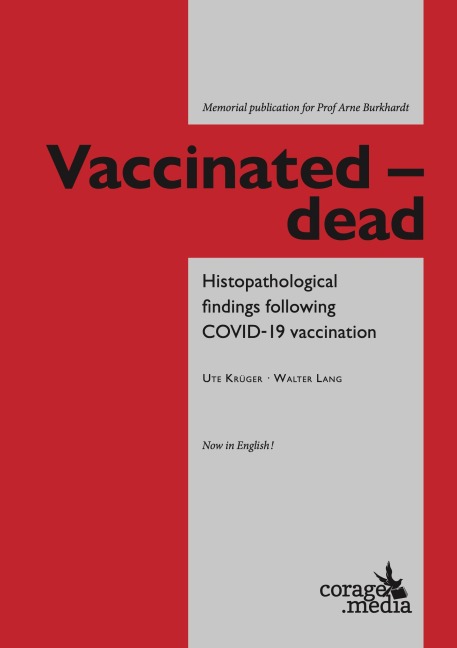
Vaccinated - dead: Histopathological findings following COVID-19 vaccination
-25% su kodu BOOKS
Turime sandėlyje pas mūsų tiekėją
Aprašymas
This book emphasizes dose selection issues from a statistical point of view. It presentsstatisticalapplicationsinthedesignandanalysisofdose¿responsestudies. The importance of this subject can be found from the International Conference on Harmonization (ICH) E4 Guidance document. Establishing the dose¿response relationship is one of the most important act- ities in developing a new drug. A clinical development program for a new drug can be broadly divided into four phases ¿ namely Phases I, II, III, and IV. Phase I clinical trials are designed to study the clinical pharmacology. Information - tained from these studies will help in designing Phase II studies. Dose¿response relationshipsareusuallystudiedinPhaseII.PhaseIIIclinicaltrialsarelarge-scale, long-term studies. These studies serve to con?rm ?ndings from Phases I and II. ResultsobtainedfromPhasesI,II,andIIIclinicaltrialswouldthenbedocumented and submitted to regulatory agencies for drug approval. In the United States, - viewers from Food and Drug Administration (FDA) review these documents and make a decision to approve or to reject this New Drug Application (NDA). If the new drug is approved, then Phase IV studies can be started. Phase IV clinical trials are also known as postmarketing studies.
Daugiau informacijos
| Leidėjas | Springer US |
|---|---|
| Series | Statistics for Biology and Health |
| Išleidimo metai | 2010 |
| Viršelio tipas | Minkšti viršeliai |
| EAN | 9781441921154 |