
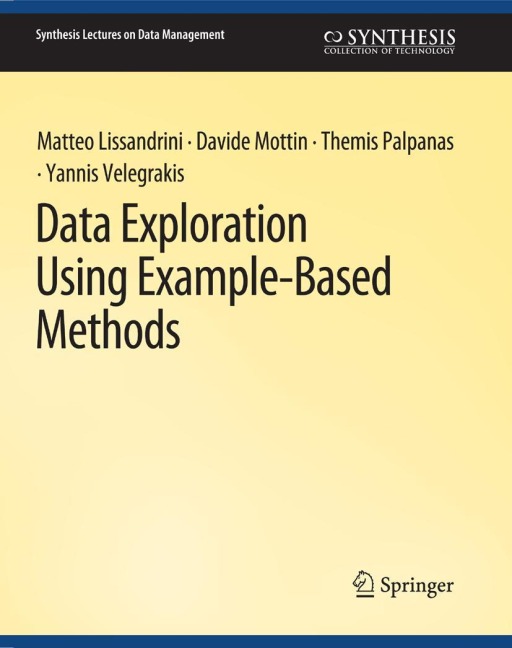
Data Exploration Using Example-Based Methods - Davide Mottin,Matteo Lissandrini,Themis Palpanas,Yannis Velegrakis
-25% su kodu BOOKS
Pristatymas per 12-18 d.d.
30 dienų grąžinimo politika
Data usually comes in a plethora of formats and dimensions, rendering the exploration and information extraction processes challenging. Thus, being able to perform exploratory analyses in the data with the intent of having an immediate glimpse on some of the data properties is becoming crucial. Exploratory analyses should be simple enough to avoid complicate declarative languages (such as SQL) and mechanism ... Visas aprašymas
Jums taip pat gali patikti
 TOP
TOP

The Demon-Haunted World: Science as a Candle in the Dark
-25% su kodu BOOKS
Turime sandėlyje pas mūsų tiekėją
TOP

The Code Book: The Science of Secrecy from Ancient Egypt to Quantum Cryptography
-25% su kodu BOOKS
Turime sandėlyje pas mūsų tiekėją
TOP

Many Faces, One Purpose: A Managers Handbook on Women in Firefighting
U. S. Fire Administration, Homeland Security
-25% su kodu BOOKS
Nėra sandėlyje
TOP

The Gulf Moment: Arab Relations Since 2011
Florence Gaub, U. S. Army War College, Strategic Studies Institute
-25% su kodu BOOKS
Nėra sandėlyje
TOP

Medizinisches Englisch pocket
-25% su kodu BOOKS
Turime sandėlyje pas mūsų tiekėją
TOP


How Africa Works: Success and Failure on the World's Last Developmental Frontier
-25% su kodu BOOKS
Turime sandėlyje pas mūsų tiekėją
TOP

Crossing Borders: About the birth of the Consortium of European Research Libraries, the organisation's early years and its path to maturity, spanning the period from the late twentieth century to the first decades of the twenty-first century
-25% su kodu BOOKS
Turime sandėlyje pas mūsų tiekėją
TOP

Introduction to Algorithms
Ronald L. Rivest, Charles E. Leiserson, Clifford Stein, Thomas H. Cormen
-25% su kodu BOOKS
Turime sandėlyje pas mūsų tiekėją
TOP
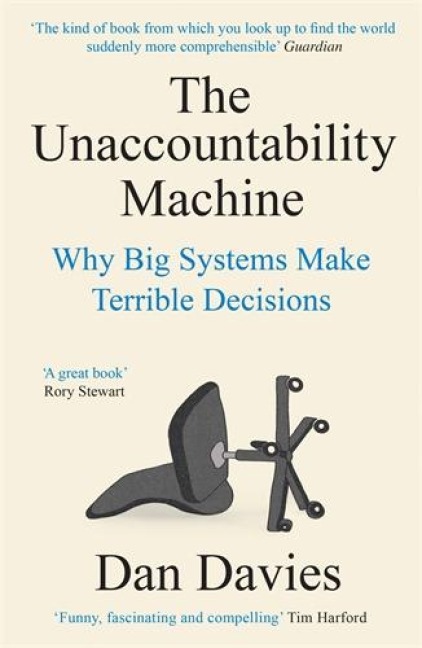
The Unaccountability Machine: Why Big Systems Make Terrible Decisions
-25% su kodu BOOKS
Turime sandėlyje pas mūsų tiekėją
TOP

101 Things I Learned in Architecture School
-25% su kodu BOOKS
Turime sandėlyje pas mūsų tiekėją
TOP
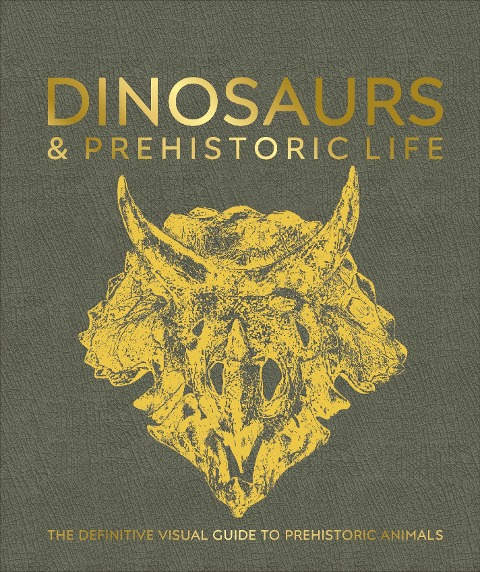
Dinosaurs and Prehistoric Life: The Definitive Visual Guide to Prehistoric Animals
-25% su kodu BOOKS
Turime sandėlyje pas mūsų tiekėją
TOP

Einhundert Zitate Female Edition: Ein Postkartenbuch mit 100 Zitaten
-25% su kodu BOOKS
Turime sandėlyje pas mūsų tiekėją
TOP

Cybernetics: Second Edition: Or the Control and Communication in the Animal and the Machine
-25% su kodu BOOKS
Turime sandėlyje pas mūsų tiekėją
 TOP
TOP

Architektur Berlin, Bd. 15 | Building Berlin, Vol. 15: Baukultur in und aus der Hauptstadt | The latest architecture in and out of the capital
-25% su kodu BOOKS
Turime sandėlyje pas mūsų tiekėją
TOP

Only Dull People Are Brilliant at Breakfast
-24% su kodu BOOKS
Turime sandėlyje pas mūsų tiekėją


Cook This Book: Techniques That Teach and Recipes to Repeat: A Cookbook
-25% su kodu BOOKS
Turime sandėlyje pas mūsų tiekėją

The Last Shah: America, Iran, and the Fall of the Pahlavi Dynasty
-25% su kodu BOOKS
Turime sandėlyje pas mūsų tiekėją
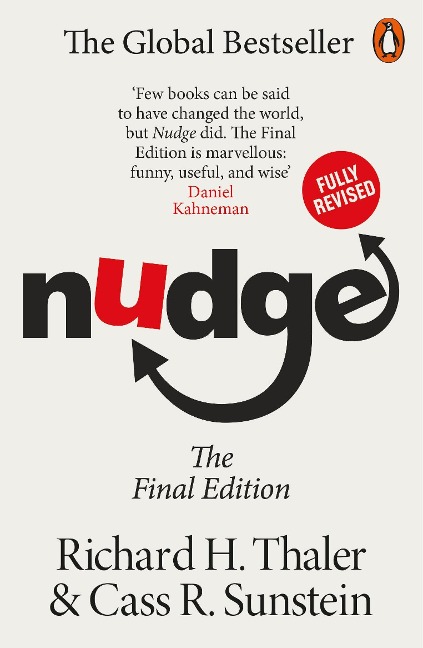
Nudge: Improving Decisions About Health, Wealth and Happiness
Cass R Sunstein, Richard H. Thaler
-25% su kodu BOOKS
Yra sandėlyje
Aprašymas
Data usually comes in a plethora of formats and dimensions, rendering the exploration and information extraction processes challenging. Thus, being able to perform exploratory analyses in the data with the intent of having an immediate glimpse on some of the data properties is becoming crucial. Exploratory analyses should be simple enough to avoid complicate declarative languages (such as SQL) and mechanisms, and at the same time retain the flexibility and expressiveness of such languages. Recently, we have witnessed a rediscovery of the so-called example-based methods, in which the user, or the analyst, circumvents query languages by using examples as input. An example is a representative of the intended results, or in other words, an item from the result set. Example-based methods exploit inherent characteristics of the data to infer the results that the user has in mind, but may not able to (easily) express. They can be useful in cases where a user is looking for information in an unfamiliar dataset, when the task is particularly challenging like finding duplicate items, or simply when they are exploring the data. In this book, we present an excursus over the main methods for exploratory analysis, with a particular focus on example-based methods. We show how that different data types require different techniques, and present algorithms that are specifically designed for relational, textual, and graph data. The book presents also the challenges and the new frontiers of machine learning in online settings which recently attracted the attention of the database community. The lecture concludes with a vision for further research and applications in this area.
Daugiau informacijos
| Autorius | Davide Mottin, Matteo Lissandrini, Themis Palpanas, Yannis Velegrakis |
|---|---|
| Leidėjas | Springer Nature Switzerland |
| Series | Synthesis Lectures on Data Management |
| Išleidimo metai | 2018 |
| Viršelio tipas | Minkšti viršeliai |
| EAN | 9783031007385 |