
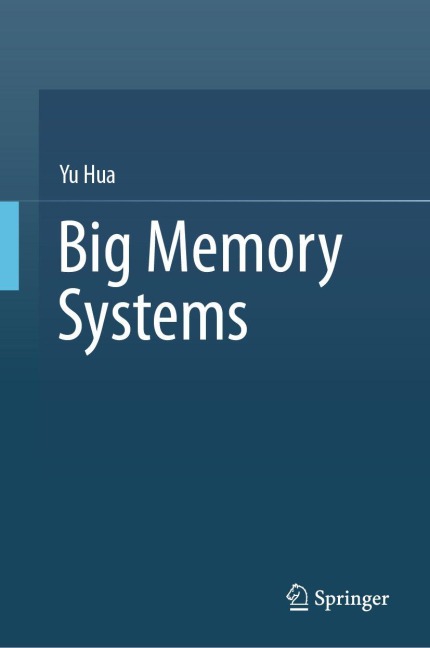
Big Memory Systems - Yu Hua

-25% su kodu BOOKS
Pristatymas per 17-23 d.d.
30 dienų grąžinimo politika
This book compiles eight groundbreaking research schemes that are shaping the future of big memory systems-massive-scale architectures where terabytes of persistent, byte-addressable memory eliminate traditional storage bottlenecks by unifying memory and storage hierarchies. For engineers and architects building next-generation databases and distributed systems, these innovations deliver transformative perf ... Visas aprašymas
Jums taip pat gali patikti

 TOP
TOP

If Anyone Builds It, Everyone Dies: Why Superhuman AI Would Kill Us All
Eliezer Yudkowsky, Nate Soares
-25% su kodu BOOKS
Turime sandėlyje pas mūsų tiekėją
TOP

Gödel, Escher, Bach: An Eternal Golden Braid
-25% su kodu BOOKS
Turime sandėlyje pas mūsų tiekėją
TOP
AI Engineering: Building Applications with Foundation Models
-25% su kodu BOOKS
Turime sandėlyje pas mūsų tiekėją
TOP

The Rust Programming Language
Steve Klabnik, Carol Nichols, Chris Krycho
-25% su kodu BOOKS
Turime sandėlyje pas mūsų tiekėją
TOP
The Art of Game Design: A Book of Lenses
-25% su kodu BOOKS
Turime sandėlyje pas mūsų tiekėją
TOP
How To Think About AI: A Guide For The Perplexed
-25% su kodu BOOKS
Turime sandėlyje pas mūsų tiekėją
TOP
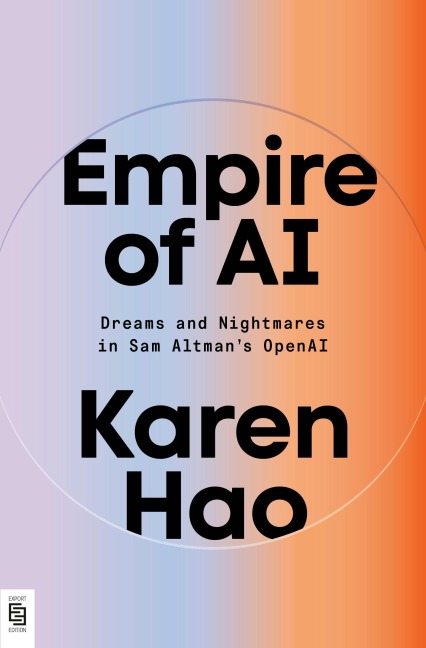
Empire of AI: Dreams and Nightmares in Sam Altman's OpenAI
-25% su kodu BOOKS
Turime sandėlyje pas mūsų tiekėją
TOP
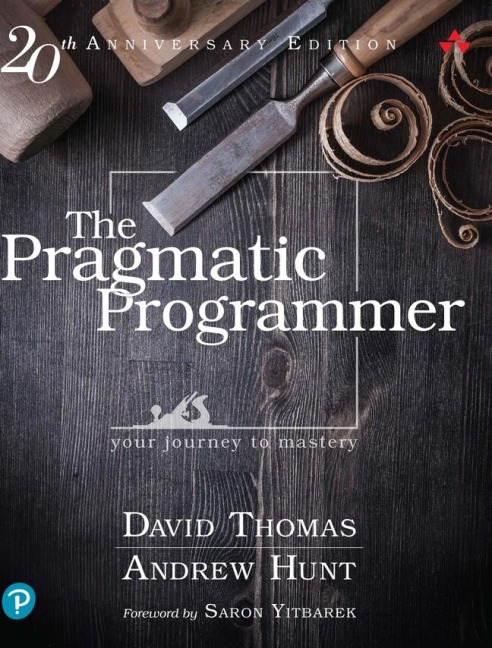
The Pragmatic Programmer: journey to mastery, 20th Anniversary Edition, 2/e: your journey to mastery, 20th Anniversary Edition
-25% su kodu BOOKS
Turime sandėlyje pas mūsų tiekėją
TOP
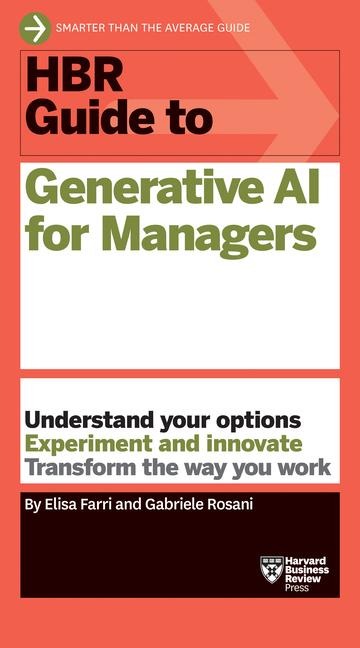
HBR Guide to Generative AI for Managers
-25% su kodu BOOKS
Turime sandėlyje pas mūsų tiekėją
TOP
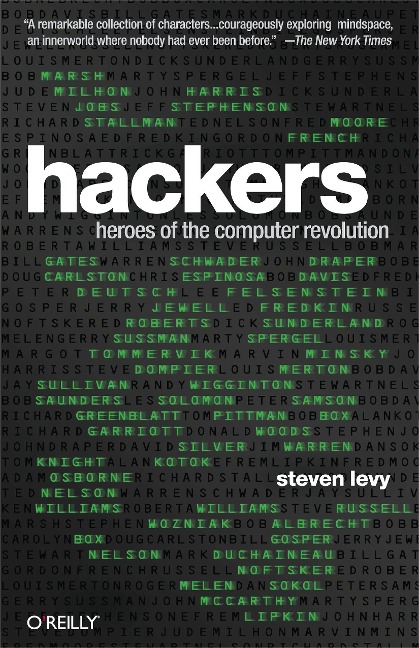
Hackers. 25th Anniversary Edition: Heroes of the Computer Revolution
-25% su kodu BOOKS
Turime sandėlyje pas mūsų tiekėją
TOP
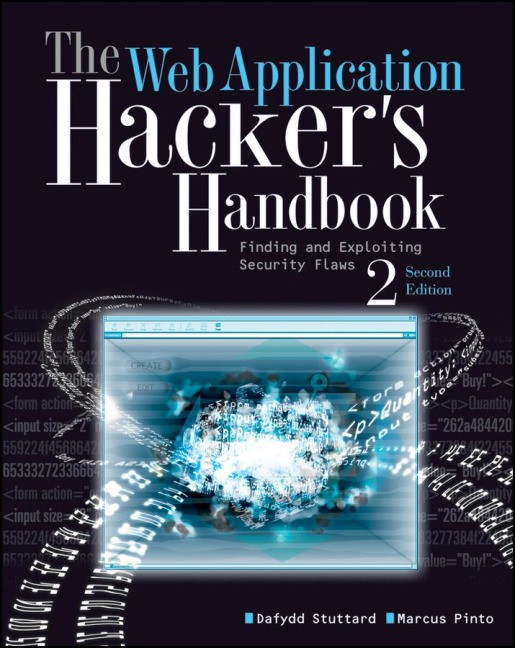
The Web Application Hacker's Handbook: Discovering and Exploiting Security Flaws
-25% su kodu BOOKS
Turime sandėlyje pas mūsų tiekėją
TOP

How Linux Works: What Every Superuser Should Know
-25% su kodu BOOKS
Turime sandėlyje pas mūsų tiekėją
TOP
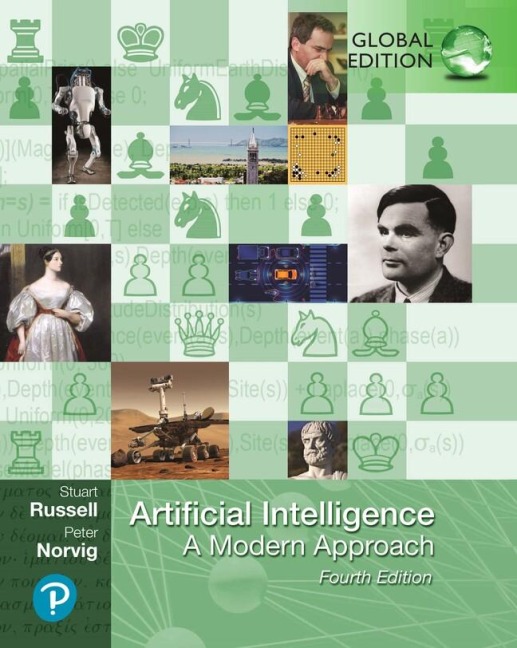
Artificial Intelligence: A Modern Approach, Global Edition
-25% su kodu BOOKS
Turime sandėlyje pas mūsų tiekėją
TOP
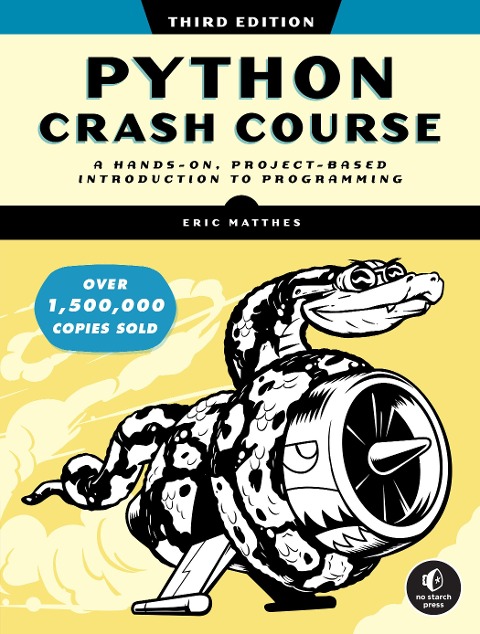
Python Crash Course: A Hands-On, Project-Based Introduction to Programming
-25% su kodu BOOKS
Turime sandėlyje pas mūsų tiekėją
TOP
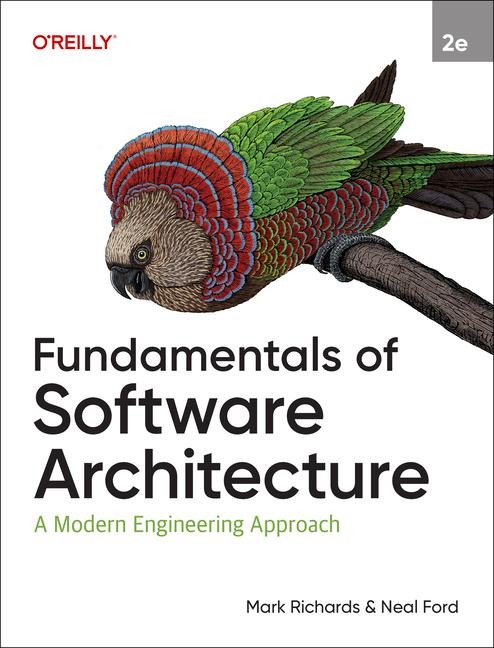
Fundamentals of Software Architecture: A Modern Engineering Approach
-25% su kodu BOOKS
Turime sandėlyje pas mūsų tiekėją
TOP
Speak Data: Artists, Scientists, Thinkers, and Dreamers on How We Live Our Lives in Numbers
-25% su kodu BOOKS
Turime sandėlyje pas mūsų tiekėją
TOP
Linux Basics for Hackers, 2nd Edition: Getting Started with Networking, Scripting, and Security in Kali
-25% su kodu BOOKS
Turime sandėlyje pas mūsų tiekėją
TOP
C Programming Language
Brian W. Kernighan, Brian Kernighan, Dennis Ritchie
-25% su kodu BOOKS
Turime sandėlyje pas mūsų tiekėją
TOP
Proofs from THE BOOK
Martin Aigner, Günter M. Ziegler
-25% su kodu BOOKS
Turime sandėlyje pas mūsų tiekėją
Aprašymas
This book compiles eight groundbreaking research schemes that are shaping the future of big memory systems-massive-scale architectures where terabytes of persistent, byte-addressable memory eliminate traditional storage bottlenecks by unifying memory and storage hierarchies. For engineers and architects building next-generation databases and distributed systems, these innovations deliver transformative performance: faster persistent writes through optimized flush mechanisms, the reduced contention via lock-free designs, and unprecedented throughput using GPU acceleration. Each chapter presents fully realized architectures tested in real-world environments, from learned indexes to RDMA-powered transactions, complete with deployable code patterns and performance benchmarks. This book shows new devices are leveraging big memory to achieve microsecond-latency persistence, hardware-accelerated data processing, and linear scalability in distributed environments.
Designed for professionals with operating systems fundamentals, this book bridges cutting-edge research with practical implementation-where big memory's unique characteristics (persistence at DRAM speeds, massive capacity, and fine-grained access) demand fundamentally new architectural approaches. Learn how to achieve faster queries with memory-disaggregated learned indexes, how to optimize cuckoo hashing for persistent memory's asymmetric costs, and why the latest GPUs incorporate these persistence techniques. This book also provides efficient and useful toolkit: the RDMA protocols have been adopted in storage tiers, while the lock-free designs power real-time recommendation systems. Whether building cloud-native databases, low-latency recommendation systems, or memory-driven AI services, these solutions will help harness the full potential of the big memory.
Daugiau informacijos
| Autorius | Yu Hua |
|---|---|
| Leidėjas | Springer-Verlag GmbH |
| Išleidimo metai | 2026 |
| Viršelio tipas | Kieti viršeliai |
| EAN | 9789819528844 |