
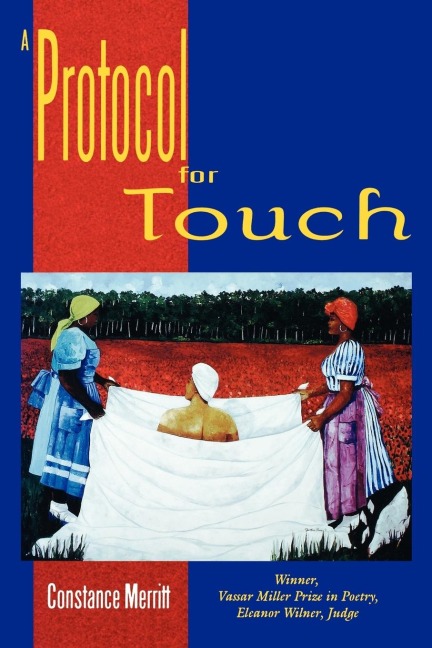
A Protocol for Touch - Constance Merritt
-25% su kodu BOOKS
Pristatymas per 10-16 d.d.
30 dienų grąžinimo politika
"Constance Merritt is a poet to defeat categories, to oppose ‘the tyranny of names’ with a poetry that sets its own terms of encounter, its ‘protocols of touch’—tender and austere, formal and intimate at once. Hers is a voice with many musics, sufficiently rich, nuanced and various to express, maintain poise and wrest meaning from the powerful cross-currents in which the heart is torn. I have seldom seen in ... Visas aprašymas
Jums taip pat gali patikti
 TOP
TOP

Ghost Stories: A Memoir
-25% su kodu BOOKS
Turime sandėlyje pas mūsų tiekėją
 TOP
TOP

"Surely You're Joking, Mr. Feynman!": Adventures of a Curious Character
-25% su kodu BOOKS
Turime sandėlyje pas mūsų tiekėją
TOP

The Let Them Theory: A Life-Changing Tool That Millions of People Cant Stop Talking About
-25% su kodu BOOKS
Turime sandėlyje pas mūsų tiekėją
TOP

Kitchen Confidential: Adventures in the Culinary Underbelly
-25% su kodu BOOKS
Turime sandėlyje pas mūsų tiekėją
TOP

Ocean: Earth's Last Wilderness
David Attenborough, Colin Butfield
-25% su kodu BOOKS
Turime sandėlyje pas mūsų tiekėją
TOP

Mother Mary Comes To Me
-25% su kodu BOOKS
Turime sandėlyje pas mūsų tiekėją
 TOP
TOP

Devotions: The Selected Poems of Mary Oliver
-25% su kodu BOOKS
Turime sandėlyje pas mūsų tiekėją
TOP

Kitchen Confidential. 25th Anniversary Edition
-25% su kodu BOOKS
Turime sandėlyje pas mūsų tiekėją

 TOP
TOP
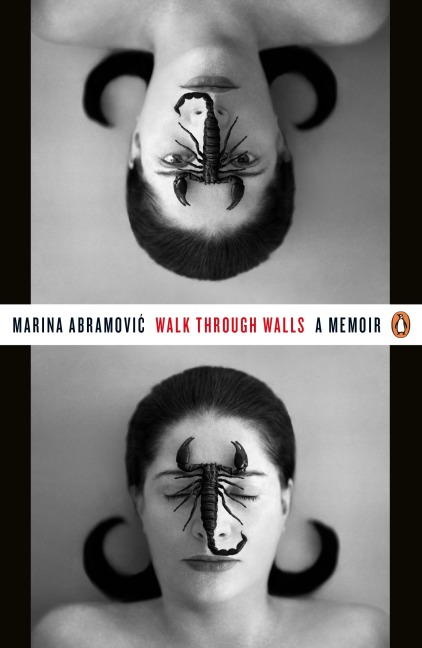
Walk Through Walls: A Memoir
-25% su kodu BOOKS
Turime sandėlyje pas mūsų tiekėją
TOP

Build: An Unorthodox Guide to Making Things Worth Making
-25% su kodu BOOKS
Turime sandėlyje pas mūsų tiekėją
TOP

The Half of It: A Memoir
-25% su kodu BOOKS
Turime sandėlyje pas mūsų tiekėją
 TOP
TOP

The Power Broker: Robert Moses and the Fall of New York
-25% su kodu BOOKS
Turime sandėlyje pas mūsų tiekėją
TOP
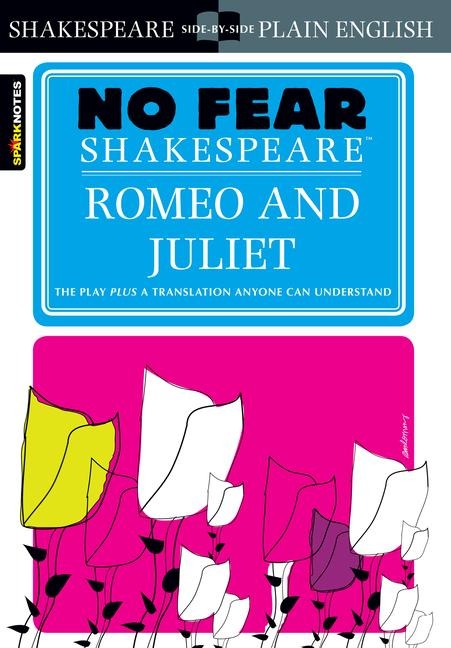
No Fear Shakespeare: Romeo and Juliet
-24% su kodu BOOKS
Turime sandėlyje pas mūsų tiekėją
Aprašymas
Daugiau informacijos
| Autorius | Constance Merritt |
|---|---|
| Leidėjas | University of North Texas Press |
| Išleidimo metai | 2000 |
| Viršelio tipas | Minkšti viršeliai |
| EAN | 9781574410839 |